 Caleb Whitaker
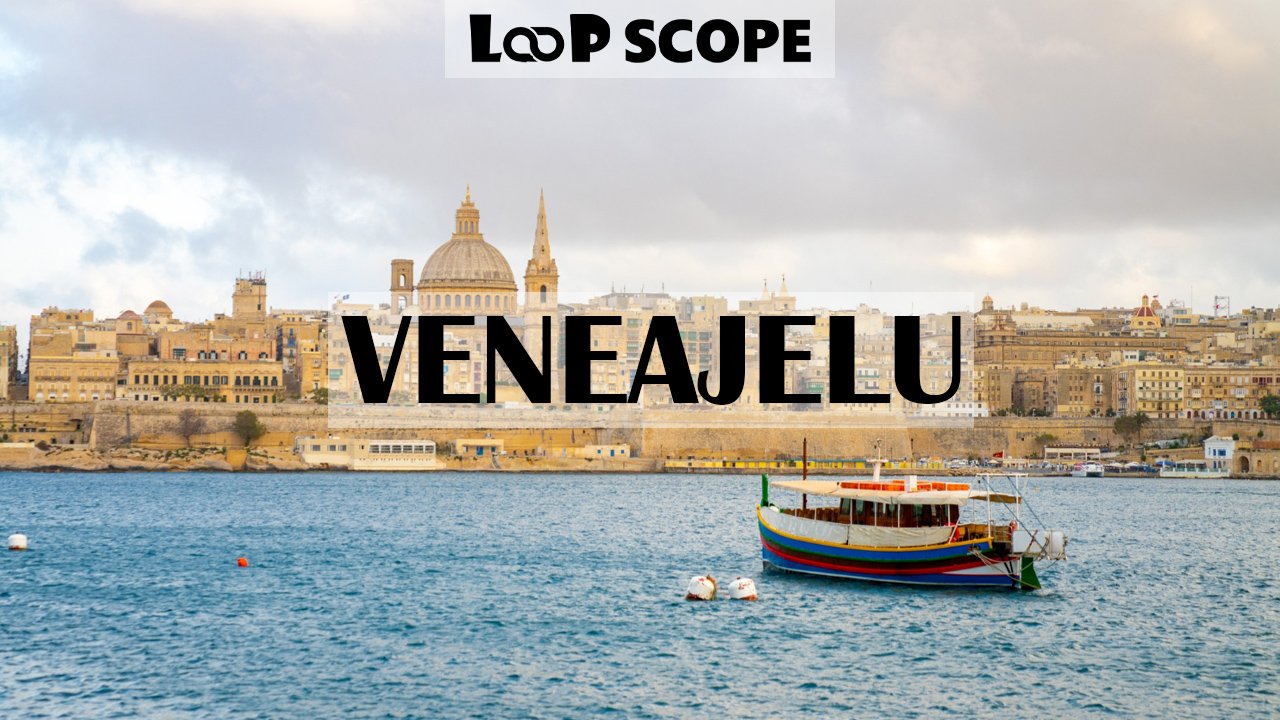
If you have spent any time around Finnish culture, whether through travel, conversation, or online research, you have probably run into the word “veneajelu” and wondered exactly what it means. Veneajelu is a Finnish term that translates roughly to “boat trip” or “boat ride,” and it describes one of the most beloved leisure activities in a country defined by water.
Understanding veneajelu means understanding something deeper about Finnish life. This is not just a hobby squeezed into a weekend. It is tied to summer traditions, family routines, and the simple pleasure of being on the water in a country with thousands of lakes and a long, quiet coastline. This article breaks down what veneajelu actually means, why it holds such a strong place in Finnish culture, and what you should know if you want to experience it yourself.
What Does Veneajelu Mean in Finnish?
Veneajelu is a compound word. “Vene” means boat, and “ajelu” comes from the verb “ajella,” which loosely translates to taking a leisurely ride or cruising around without a strict destination. Put together, veneajelu describes a relaxed boat outing, usually done for enjoyment rather than for transportation or fishing purposes alone.
The word carries a casual, unhurried tone. It is not the same as “veneily,” which is the broader Finnish term for boating in general and can include everything from racing to long-distance sailing. Veneajelu specifically points to the kind of trip where the point is the ride itself: cruising along a lake, weaving through the archipelago, or circling a bay just to enjoy the scenery and fresh air.
Why Boats Are Such a Big Part of Finnish Life
To understand why veneajelu matters so much, it helps to look at the geography. Finland has an enormous number of lakes, often cited at around 188,000, along with a long coastline dotted with islands, particularly in the southwest near Turku and the Åland Islands. Water is simply everywhere, and for many Finns, a boat is as normal a possession as a bicycle or a car.
Summer cottage culture, known locally as “mökki” life, plays a major role here too. A large share of Finnish families either own or have regular access to a summer cottage, typically located on or near a lake. A boat often comes with that cottage, used for everything from short evening rides to visiting neighbors across the water. Veneajelu fits naturally into this rhythm. After a sauna, a swim, or dinner outside, taking the boat out for a slow ride around the lake is a common way to end the day.
The Role of Short Summers
Finland’s summer season is relatively short and intense, especially compared to countries closer to the equator. Long daylight hours, including near-constant light in the north during midsummer, push people to spend as much time outdoors as possible while the weather allows. Veneajelu becomes a way to make the most of those warm months, when a boat ride at nine in the evening can still feel like the middle of the afternoon.
What Makes a Veneajelu Different From Other Water Activities
Not every trip on the water counts as veneajelu in the way Finns use the word. A few distinctions are worth understanding.
It Is About the Journey, Not the Destination
Fishing trips, sailing races, and ferry rides all involve boats, but they usually have a clear purpose beyond the ride itself. Veneajelu is closer to a Sunday drive in a car. The goal is the experience of moving across the water, watching the shoreline pass, and enjoying a change of pace.
It Tends to Be Casual and Social
Veneajelu often happens spontaneously. Someone suggests taking the boat out, and within a few minutes, a small group is on the water with no fixed itinerary. It can include stopping at a small island for coffee, anchoring near a swimming spot, or simply circling familiar waters near home.
It Fits Into Everyday Life, Not Just Vacations
While tourists might associate boating in Finland with archipelago cruises or guided tours, veneajelu is largely a local, everyday activity. It happens on weeknights, weekend afternoons, and holidays, not only during planned vacations.
Common Settings Where Veneajelu Happens
Lakes in the Finnish Interior
Finland’s interior, sometimes called the Lakeland region, is dense with connected lakes and waterways. Areas like Saimaa, the largest lake system in the country, are especially popular for casual boat rides, offering calm water and scattered islands that make for easy, low-pressure trips.
The Archipelago Sea and Coastal Waters
Along the southwestern coast, the Archipelago Sea contains tens of thousands of islands and skerries. Veneajelu here often means weaving between small landmasses, something that requires a bit more navigational awareness but rewards boaters with dramatic scenery and quiet coves.
Near Summer Cottages
Perhaps the most common setting is simply the water right outside a family’s summer cottage. These short, familiar rides do not require much planning and often become a daily or near-daily habit during the warmer months.
Why Finns Love Veneajelu So Much
It Offers a Break From Daily Routine
A boat ride removes many of the usual distractions of daily life. There is no phone signal pressure to check constantly, no traffic, and no schedule to keep. For many Finns, this makes veneajelu feel like a genuine reset, even if it only lasts thirty minutes.
It Connects People to Nature Without Much Effort
Finland’s relationship with nature is well known, and boating offers an easy way to experience it. Unlike hiking or camping, a boat ride requires little physical exertion, which makes it accessible to people of nearly all ages, including young children and older relatives.
It Strengthens Family and Social Bonds
Veneajelu is frequently a shared activity. Multiple generations might pile into a boat together, turning a short ride into a chance to talk, laugh, and spend time away from screens. This social element is a big part of why the tradition continues to be passed down.
It Reflects a Broader Finnish Value of Simplicity
Finnish culture often favors simple pleasures over elaborate ones. Veneajelu fits that mindset well. It does not require expensive equipment, a big production, or advanced planning. A modest motorboat or rowboat is often enough to enjoy the experience fully.
What Kind of Boats Are Typically Used
Veneajelu does not require a large or luxurious vessel. In fact, many of the boats used for this purpose are quite modest.
- Small motorboats, often in the 4 to 6 meter range, are extremely common for casual lake and coastal rides.
- Rowboats and small dinghies are still used, particularly for short trips close to shore or between a cottage and a nearby island.
- Pontoon-style boats have grown in popularity for their stability and comfort, especially for family outings.
- Sailboats appear as well, though they tend to be used more for dedicated sailing trips than for the relaxed, short-format rides typical of veneajelu.
The choice of boat usually depends on the specific body of water, the distance being covered, and personal preference rather than any strict tradition.
Practical Things to Know About Veneajelu in Finland
Boating Season
Most veneajelu activity happens between late May and early September, when lakes and coastal waters are ice-free and temperatures are comfortable enough for outdoor activity. Early summer and midsummer, around June, tend to be especially popular due to the long daylight hours.
Basic Rules and Safety
Finland has boating regulations that vary depending on boat size, engine power, and the waters being used. Life jackets are strongly recommended, and many families keep them on board as a standard precaution, especially for children. Speed limits often apply near shorelines, swimming areas, and narrow channels between islands.
No Special License Required for Many Small Boats
For many smaller recreational boats, no formal boating license is required in Finland, which helps explain why veneajelu is such a widely accessible activity rather than one limited to specialists or enthusiasts. However, requirements can depend on boat size and engine power, so checking current regulations before heading out is a sensible step for anyone unfamiliar with local rules.
How Visitors Can Experience Veneajelu
Travelers interested in trying veneajelu for themselves have a few realistic options.
Staying at a lakeside or archipelago accommodation that includes boat access is one of the most authentic ways to experience it, since it mirrors how many Finns encounter the activity themselves. Some rental companies in lake regions and coastal towns offer small boats by the hour or day, which suits visitors who want a short, low-commitment ride rather than a full excursion. Guided boat tours are also available in popular areas like the Turku archipelago, offering a structured alternative for those who prefer not to navigate unfamiliar waters on their own.
Regardless of the option chosen, the spirit of veneajelu stays the same: an unhurried trip on calm water, focused on enjoying the surroundings rather than reaching a specific destination.
Veneajelu as Part of a Larger Cultural Picture
Veneajelu does not exist in isolation. It connects closely to other well-known aspects of Finnish life, including sauna culture, the strong pull toward nature and silence, and the seasonal rhythm that shapes so much of daily routine in a country with long winters and short summers. A boat ride often pairs naturally with a sauna session, a lakeside swim, or a quiet evening at a cottage, forming a cluster of habits that many Finns consider essential to a proper summer.
For anyone trying to understand Finnish culture beyond the surface level, veneajelu offers a useful entry point. It shows how deeply geography shapes daily habits, and how a simple activity like a boat ride can carry real cultural weight when it is repeated across generations.
Final Thoughts
Veneajelu is best understood as a relaxed, low-pressure boat ride rooted in Finland’s lake-heavy geography and strong summer traditions. It is less about the destination and more about the experience of being on the water, whether that means a short evening cruise near a cottage or a slow trip through the archipelago. Its popularity comes from how naturally it fits into everyday life, requiring little equipment, minimal planning, and no special expertise for most casual rides.
For visitors, trying veneajelu offers a genuine window into how many Finns spend their summers: unhurried, close to nature, and centered around simple, shared moments on the water.
Frequently Asked Questions
What does the word veneajelu mean?
Veneajelu means a casual boat ride in Finnish, combining “vene” (boat) with a word describing a leisurely trip without a fixed destination.
Is veneajelu the same as veneily?
No. Veneily is the general Finnish term for boating overall, while veneajelu specifically refers to relaxed, casual rides taken for enjoyment.
When is the best time for a veneajelu in Finland?
Late May through early September is typical, with June and July especially popular due to long daylight hours and warmer weather.
Do you need a license to go on a veneajelu in Finland?
Many small recreational boats do not require a formal license, though requirements can depend on the boat’s size and engine power, so checking current rules is recommended.
Where in Finland is veneajelu most common?
It is especially common in the Lakeland region, including Lake Saimaa, and along the Archipelago Sea near the southwestern coast.
What kind of boat is used for veneajelu?
Small motorboats are most common, though rowboats, pontoon boats, and occasionally sailboats are also used depending on the setting.
Can tourists experience veneajelu without owning a boat?
Yes. Boat rentals and guided tours are widely available in lake and coastal areas, offering short, accessible ways to try a traditional Finnish boat ride.