 Caleb Whitaker
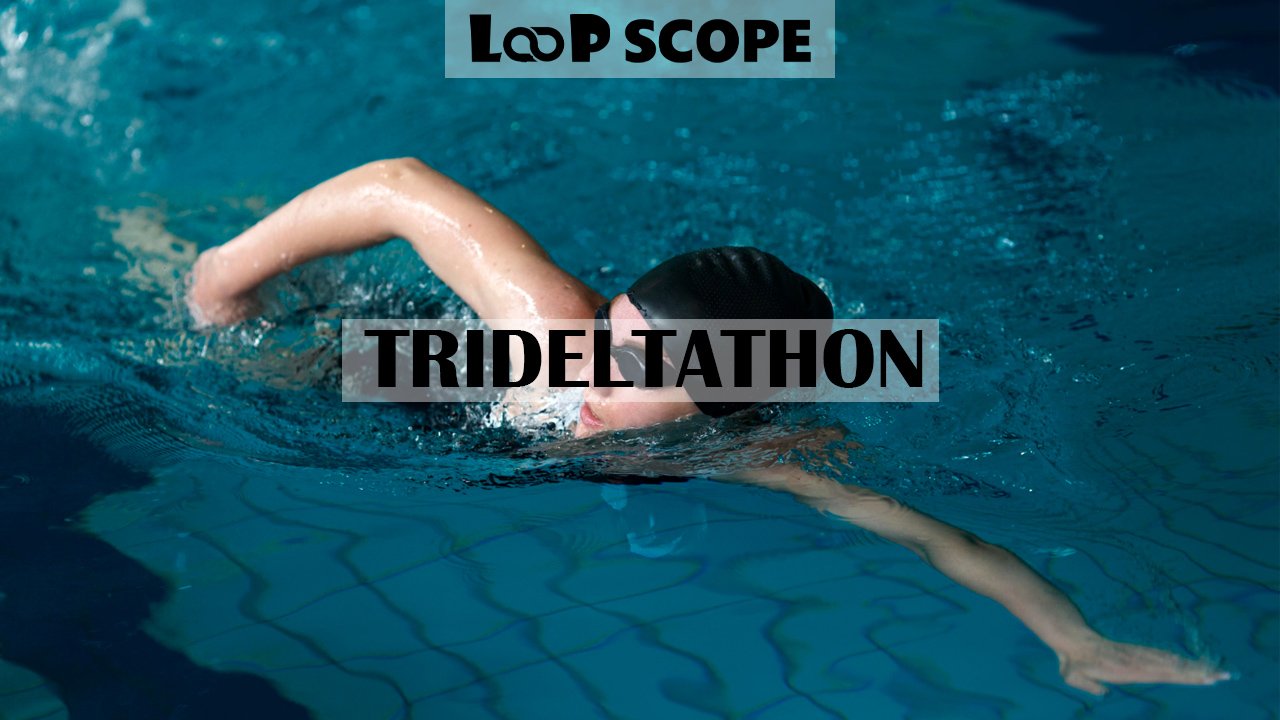
The TriDeltathon is a sprint-style pool triathlon in Knoxville, Tennessee, billed as the oldest running pool triathlon in the United States. Racers swim 400 meters in a university pool, bike about 6 miles around the University of Tennessee campus and Neyland Drive, then finish with a 3 mile run past Neyland Stadium.
This guide covers how the race works, what each leg feels like, who runs it, and where the money goes. It also offers training advice for first-timers and a list of things to confirm before you register, since dates and details can change from year to year.
What Is the TriDeltathon?
The TriDeltathon is an annual triathlon held on the University of Tennessee campus in Knoxville. It follows the usual swim, bike, run order, but the swim happens in a pool instead of open water. The distances are short: 400 meters, roughly 6 miles, and roughly 3 miles.
A triathlon is a multisport race that links swimming, cycling, and running into one timed event, with a quick transition between each part. This race is shorter than the standard sprint format many events use, which is commonly a 750 meter swim, a 20 kilometer ride, and a 5 kilometer run. That makes it a comfortable first race for people who want a real triathlon experience without months of heavy training.
Organizers and local running coverage describe it as the oldest running pool triathlon in the country. According to the race’s own registration page, it is not a USA Triathlon sanctioned event, which matters if sanctioning is important to you.
How the Oldest Pool Triathlon Earned Its Reputation
No single official history page appears to exist online, so it helps to stick with what is documented. A Fleet Feet Knoxville post described one edition as the 31st year of the race and noted that it opened the Fleet Feet Triathlon Grand Prix, a series run with RaceDay Events. The post carries no year in the text, so treat “31st” as a snapshot rather than a current count.
Older listings from 2013 and 2014 place the race on a Sunday in mid-April. They mention a relay option for teams and discounted entry for students. They also describe the swim as a time trial start, with athletes entering the pool one at a time at five second intervals, fastest swimmers first. That setup keeps a crowded pool from turning into a traffic jam.
The race was canceled in 2020 after the university moved classes online. Registered athletes could transfer to the next year’s race, move to another RaceDay Events triathlon, take a refund, or let their entry fee stand as a donation to the race’s charity. The notice is a useful reminder that this is a community event tied to a campus calendar.
TriDeltathon Course Breakdown
Each leg is short, but the combination tests pacing more than most newcomers expect. Here is the course at a glance, based on current and past race descriptions.
| Leg | Distance | Where It Happens | What to Expect |
|---|---|---|---|
| Swim | 400 meters | Pool at the University of Tennessee | Lane by lane swim with staggered starts |
| Bike | About 6 miles | Campus roads and Neyland Drive | Rolling terrain with a flatter stretch |
| Run | About 3 miles | Campus, past Neyland Stadium and Thompson-Boling Arena | Hilly in places, with water stops |
The 400 Meter Swim
The swim opens the race. Athletes swim up one lane, down the next, and continue until they have covered 400 meters. Because of the staggered start, you spend most of the swim racing the clock instead of the people around you.
Recent race materials describe an indoor pool, while a 2014 listing described a heated outdoor pool at the Student Aquatic Center. That difference is a good reason to confirm the current setup when you register.
The 6 Mile Bike
The bike leg is a tour of campus and Neyland Drive. The 2014 course description called for two laps of campus with a few rollers and a flat section along Neyland Drive. Expect rolling terrain rather than a pancake-flat ride, and look at the current course map before race day.
The 3 Mile Run
The run finishes the race and passes Neyland Stadium and Thompson-Boling Arena. The 2014 description called it fairly hilly, with water stops at miles 1 and 2. Your legs will feel heavy coming off the bike, so start the run a little slower than your instincts suggest.
Who Organizes the TriDeltathon and Where Do the Proceeds Go?
RaceDay Events, a Tennessee race production company, handles the event. Volunteer support comes from members of the Delta Delta Delta sorority. The race name appears to play on the sorority’s nickname, though the race pages do not spell that out.
According to the registration page, proceeds go to East Tennessee Children’s Hospital. So your entry fee does more than cover race costs. It also supports a regional children’s hospital, which gives a short, friendly race a real purpose beyond the finish line.
Pool Triathlon vs. Open-Water Triathlon
A pool triathlon swaps the lake, river, or ocean swim for lanes in a pool. The difference changes how beginners experience the race, so it is worth comparing the two formats.
| Feature | Pool Triathlon (Like the TriDeltathon) | Open-Water Triathlon |
|---|---|---|
| Swim setting | Lanes in a pool | Lake, river, or ocean |
| Start style | Often staggered, one swimmer at a time | Usually mass or wave starts |
| Navigation | Follow the black line and lane lines | Sight buoys and manage currents |
| Water conditions | Controlled and predictable | Varies with weather and temperature |
| Beginner comfort | Generally easier to manage | Can feel intimidating at first |
Lane lines and a visible pool bottom make it easier to stay oriented, though you should check the race rules about stopping or holding the wall. If you later want to try open water, a pool race is a gentle way to learn how a triathlon flows from one leg to the next.
How to Prepare for the TriDeltathon
You do not need elite fitness to finish, but you do need a plan. Four to eight weeks of steady training is a reasonable window for a healthy beginner, though your own timeline depends on your starting point. If you are new to exercise or have a health concern, check with a doctor first. For more everyday wellness ideas, the Lifestyle section at Loop Scope is a good place to browse.
Build a Swim You Can Finish Comfortably
Your first goal is to swim 400 meters without stopping. Many people can ride a bike and jog for 3 miles, but the swim catches them off guard. Practice in a lane, learn circle swimming etiquette, and add a few sessions where you swim slightly faster than your comfortable pace.
Since this race uses a time trial start, your estimated swim time matters. Be honest when you enter it. Overstating your speed can put you in front of faster swimmers and create stress for everyone.
Practice Brick Workouts
A brick workout pairs two disciplines back to back, usually a bike ride followed by a run. Try a short ride of 20 to 30 minutes, then jog for 10 to 15 minutes. The first few minutes feel awkward, because your legs are not used to switching muscle use. Practicing it once a week makes race day far less jarring.
Train for Rolling Terrain
Since the bike and run both include hills, add some to your training. You do not need steep mountain climbs. Gentle rolling routes teach you how to keep a steady effort on the way up and recover on the way down.
Pack the Right Gear
You will need a swimsuit or tri suit, goggles, a towel, running shoes, and a bike in good working order. Wear a helmet, as most triathlons require one. Confirm the exact rules in the athlete guide.
Race Day Tips First-Timers Often Miss
Arrive early. Packet pickup, parking, and setting up your transition area take longer than most people expect on a campus. Walk through the transition zone once so you know where you enter and exit.
Pace yourself on the bike. The temptation to push hard is strong because the distance is short, but a hard 6 miles can ruin the run. Aim for a firm, steady effort and save energy for the finish.
Take water at the aid stations, especially on the run. Thank the volunteers while you are at it. They give up a Sunday morning to cheer you on, and the event relies on them.
If you enjoy reading about sports events and how they work, the Sports section at Loop Scope covers more stories worth a look.
Is the TriDeltathon Good for Beginners?
Yes, for most healthy adults who can swim and are willing to train. The distances are shorter than a standard sprint, the swim happens in a controlled pool, and the staggered start reduces the chaos of a mass swim. The hills are the main challenge, so do not skip hill work.
Beginners should also know that a pool swim still demands real stamina. If you are not yet a confident swimmer, spend extra time in the water before registering.
What to Confirm Before You Register
Race details shift from year to year, and some of what is published online comes from older listings. Before you pay, check the official registration page for the date and start time, the swim location and format, and how swim seeding works. Look at the current entry fees and deadlines too. Earlier editions priced entries higher as race day approached and offered student discounts.
Also review whether a relay division is offered, since earlier editions had one. Read the refund policy carefully. The 2020 cancellation notice mentioned waiving a standard no-refund rule, which suggests entries are normally nonrefundable. Finally, look at the course map, parking information, and any road closures on campus.
Conclusion
The TriDeltathon is a short, approachable, and well-established event that combines a 400 meter pool swim, a 6 mile bike, and a 3 mile run in the heart of the University of Tennessee campus. Its reputation as the oldest running pool triathlon in the country, plus its support for East Tennessee Children’s Hospital, gives it more character than a typical beginner race.
If you are considering it, train for the swim first, practice bricks, and add some hills to your weekly routine. Then confirm the current details on the official page before you commit. A little preparation turns a nervous first triathlon into a fun morning in Knoxville.
TriDeltathon FAQs
What is the TriDeltathon?
It is a sprint-style pool triathlon in Knoxville, Tennessee, with a 400 meter swim, a 6 mile bike, and a 3 mile run. It is billed as the oldest running pool triathlon in the U.S.
How long is the TriDeltathon course?
The swim is 400 meters, the bike is about 6 miles, and the run is about 3 miles. Check the current course map for any changes.
Where is the TriDeltathon held?
It is held at the University of Tennessee in Knoxville. The bike and run use campus roads and Neyland Drive, and the run passes Neyland Stadium and Thompson-Boling Arena.
Who benefits from the TriDeltathon?
According to the registration page, proceeds go to East Tennessee Children’s Hospital. RaceDay Events organizes the race, and Delta Delta Delta sorority members provide volunteer support.
Is the TriDeltathon a USAT sanctioned race?
No. The race’s own registration page states that it is not a USA Triathlon sanctioned event.
Is the TriDeltathon good for beginners?
Yes. The distances are short and the swim takes place in a pool. Beginners should still prepare for the hills and be able to swim 400 meters continuously.
When is the TriDeltathon held?
Earlier editions were held on a Sunday in mid-April. Dates can change, so confirm the current date on the official registration page.