Caleb Whitaker
Search for Provascin and you will find plenty of pages that describe it with total confidence. The problem is that they do not describe the same thing. Some call it a prescription drug for high blood pressure. Others call it a heart health supplement, and a few label it a herbal extract. If you are trying to learn what Provascin is used for, part of the honest answer is that the name itself is unclear.
This article covers what the available material says, where the accounts contradict each other, and which claims deserve caution. It also shows how to check any product with this name before you take it. I have separated what can be reasonably supported from what is only asserted online, because for a health product that difference matters.
What Is Provascin? A Short Answer
Provascin is a name used online for a product said to support the heart, blood vessels, and circulation. Beyond that broad idea, sources disagree on the basics: whether it is a prescription medication, a dietary supplement, or a plant-based extract.
While researching this piece, I could not find an official manufacturer page, a regulatory listing, or a prescribing document that settles the question. The practical takeaway is to treat Provascin as a product whose identity is unverified until you can confirm it through a pharmacist, a product label, or a regulator’s database.
Why the Descriptions of Provascin Don’t Match
The most striking thing about Provascin content is how inconsistent it is. Reading several pages side by side, you can sort the descriptions into a few camps.
Version One: A Prescription Blood Pressure Medication
Some pages present Provascin as a prescription drug in the antihypertensive family. They say it relaxes blood vessels, lowers blood pressure, and is used for hypertension, heart failure, or related conditions. A few go further and mention kidney problems linked to diabetes, or even anxiety, which are very different territory.
Version Two: A Dietary Supplement
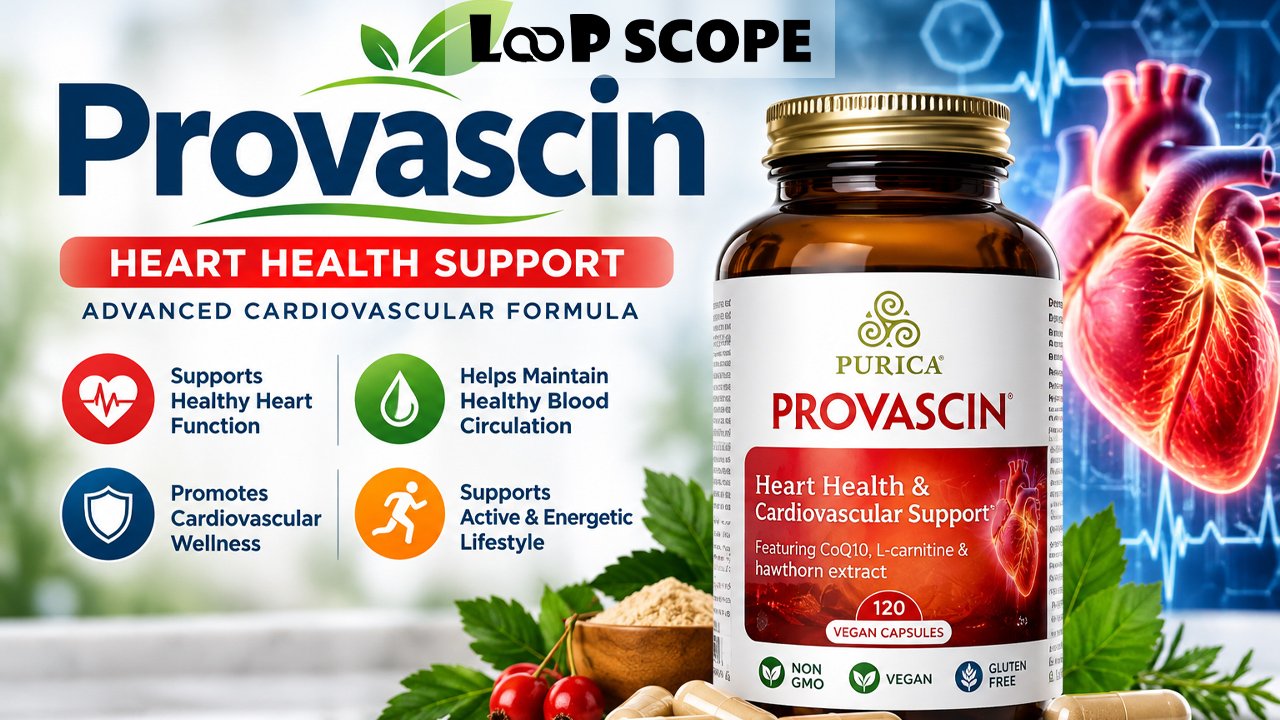
Other pages describe Provascin as a supplement marketed for cardiovascular and circulatory support. One of them explicitly states that it is not an FDA-approved medication. Some list ingredients such as coenzyme Q10, L-carnitine, alpha-lipoic acid, and betaine, along with unnamed plant extracts.
Version Three: A Herbal or Hormonal Product
A third group calls it a herbal extract and says it influences hormonal balance. Others mention weight management, mental clarity, or cholesterol changes, which pushes the description further from either of the first two versions.
These accounts cannot all be right. A single product is not normally a prescription antihypertensive, a store-shelf supplement, and a hormone-modulating herbal extract at the same time. When descriptions diverge this much, the likeliest explanation is that many pages are repeating one another, or generating text about a name, without a verified product behind it.
What Provascin Is Typically Said to Be Used For
Setting the contradictions aside, there is a consistent theme in how Provascin is described. The uses most often attached to the name are:
- Blood pressure management. Pages that treat it as a drug focus on lowering high blood pressure.
- Circulation and vascular health. This is the most common claim overall, usually phrased as “supporting” healthy blood flow.
- Cholesterol support. Several pages link it to cholesterol balance, either directly or through antioxidant effects.
- General heart health. This broad claim often appears in supplement-style descriptions.
- Energy and stamina. Some supplement-style pages suggest less fatigue, though the reasoning is thin.
Notice the wording. In the supplement versions, the language is soft: “may help,” “designed to support,” “associated with.” That phrasing is typical of marketing copy, not of clinical evidence. I did not find a named clinical trial, a published study, or a medical organization’s statement backing any Provascin-specific benefit. Without that, these uses are claims, not established facts.
How Provascin Is Said to Work
Explanations of the mechanism vary as much as the definitions do. Pages treating it as a drug say it dilates blood vessels or blocks enzymes that narrow them, which makes it easier for the heart to move blood. Pages treating it as a supplement describe general pathways: antioxidant activity, support for cellular energy, and help with cholesterol metabolism.
Both explanations use real physiology as a backdrop. Blood vessel relaxation is a genuine way many blood pressure drugs operate, and antioxidants and cellular energy are legitimate topics in nutrition science. The trouble is that attaching a true concept to an unverified product does not make the product’s effects true. Whether any given Provascin formula does what these pages say depends entirely on what is actually inside it, and that is the piece missing from most of the content.
Is Provascin a Medication or a Supplement?
This matters more than it might seem, because the two categories are regulated very differently, at least in the United States.
Prescription drugs must be reviewed and approved by the FDA before they are sold, and they require a prescription because a clinician needs to weigh dosage, other conditions, and other medicines. Dietary supplements follow a different path. The FDA does not approve supplements for safety or effectiveness before they reach the market, and supplement makers are not allowed to claim that a product treats, cures, or prevents a disease.
That gap explains a lot. If Provascin were truly a blood pressure drug, you would expect an official label, a named manufacturer, and a pharmacist who can dispense it. If it is a supplement, its “lowers blood pressure” claims would be a legal problem for the seller. In either case, the sweeping health claims found online should make a careful reader pause.
Red Flags When Researching Products Like This
Provascin is a useful case study in how to read health content critically. Here are patterns that suggest a page should not be trusted on its own.
No identifiable maker. A real medicine or supplement has a company behind it, with a physical address and contact details. Pages that describe a product at length but never say who makes it are worth doubting.
Contradictory claims across sources. As shown above, Provascin is described as a drug, a supplement, and a herb. Genuine products do not have three identities.
Cure-style or sweeping benefits. A single product said to help blood pressure, cholesterol, weight, focus, hormones, and anxiety is making too many promises.
Vague “many users report” language. Statements like this appear without any named study, dataset, or source.
Repeated template structure. Many of these pages share nearly identical headings: “What Is It,” “How It Works,” “Benefits,” “Side Effects,” “Final Verdict.” This is a common format for content built to rank in search, not to inform.
None of this proves a product is harmful. It does mean the burden of proof sits with the seller, and readers should not assume a claim is credible because it appears on many pages.
Similar Names That Can Cause Confusion
Another reason to be careful is that drug and supplement names often look alike. During research I came across several similar spellings. One example is Provasin, which appears in a pharmacy listing in India as a prescription tablet for high cholesterol and triglycerides. Another is Provisacor, described in a European patient leaflet as belonging to the statin group. Both are different names from Provascin, and nothing suggests they are related to it.
Mix-ups like these are one reason pharmacists check spellings, strengths, and active ingredients. If a doctor prescribed something with a name close to Provascin, confirm the exact name and the generic (active ingredient) name before buying or taking anything. Guessing from an online article is not a safe substitute.
How to Verify Any Product Called Provascin
If you have seen Provascin recommended, or you already have a bottle or box, these steps will tell you far more than another blog post can.
- Read the label. Look for the manufacturer’s name, the full ingredient list with amounts, lot number, and expiration date. A prescription product should show your name, the prescriber, and the pharmacy.
- Identify the active ingredients. The brand name matters less than what is inside. Ask a pharmacist to look up each ingredient and explain its purpose.
- Check official databases. In the US, the FDA’s drug database and the NIH Dietary Supplement Label Database are good places to look. If a product does not appear where you would expect, ask why.
- Confirm the seller. Buy prescription products only from licensed pharmacies. Be wary of sites that sell blood pressure medication without asking for a prescription.
- Ask a pharmacist. Pharmacists can screen for interactions with medicines you already take, and they usually answer such questions at no charge.
Questions to Bring to Your Doctor or Pharmacist
If you are considering Provascin for heart health, circulation, or blood pressure, a short conversation with a professional can save you real trouble. Consider asking:
- What exactly is in this product, and what is each ingredient supposed to do?
- Does it interact with any medications I take, such as blood thinners or blood pressure drugs?
- Is there evidence it works for my situation, or is a proven treatment a better choice?
- What symptoms would mean I should stop taking it?
Most important, do not replace or stop a prescribed blood pressure or cholesterol medication with a supplement or unverified product. Uncontrolled blood pressure raises the risk of stroke and heart attack, and any change to a treatment plan should go through your prescriber.
What Provascin Reveals About Online Health Information
There is a broader lesson here. Many websites now publish long, polished articles about products with little or no verifiable footing. They repeat each other, borrow the same outline, and fill gaps with plausible-sounding details. A reader can easily walk away thinking a product is well established when the only evidence is the volume of pages about it.
The same caution applies to this article. I have tried to report what the sources say without endorsing them, and to be clear about what I could not confirm. If a manufacturer or regulator publishes clear information about a product named Provascin, that should override anything written here.
Conclusion
So, what is Provascin, and what is it typically used for? It is a name attached online to heart, circulation, and blood pressure support, and sometimes to cholesterol management. Beyond that, the descriptions conflict on whether it is a prescription drug, a supplement, or a herbal extract, and I found no verifiable manufacturer, regulatory record, or clinical evidence tied to it specifically.
The useful takeaway is to focus on what you can check: the label, the active ingredients, the seller, and the advice of a pharmacist or doctor. If your goal is better blood pressure, cholesterol, or circulation, there are well-studied options and lifestyle changes that a health professional can walk you through, and they are a much safer starting point than a product no one can clearly identify.
Frequently Asked Questions About Provascin
What is Provascin used for?
Online sources most often link Provascin to blood pressure, circulation, cholesterol, and general heart health. These uses are claims from web pages, not confirmed by clinical evidence.
Is Provascin a prescription drug?
Some pages say so, but others call it a dietary supplement. I could not find an official label or regulatory record to settle it, so confirm with a pharmacist.
Is Provascin FDA approved?
I found no FDA listing for a product named Provascin. One page states outright that it is not an FDA-approved medication.
Does Provascin lower blood pressure?
Some pages claim it does, but no study specific to Provascin backs this up. Never use an unverified product in place of prescribed blood pressure medication.
What are the side effects of Provascin?
Because its contents are unverified, its side effects cannot be reliably stated. Read the ingredient list and ask a pharmacist about risks and interactions.
Is Provascin safe to take with other medications?
That depends on what it contains, which is unclear. Interactions are a real concern with heart and blood pressure products, so check with a pharmacist first.
Where can I buy Provascin?
Prescription medicines should come only from licensed pharmacies. For any supplement, choose sellers that name the manufacturer and publish a full ingredient list.