Caleb Whitaker
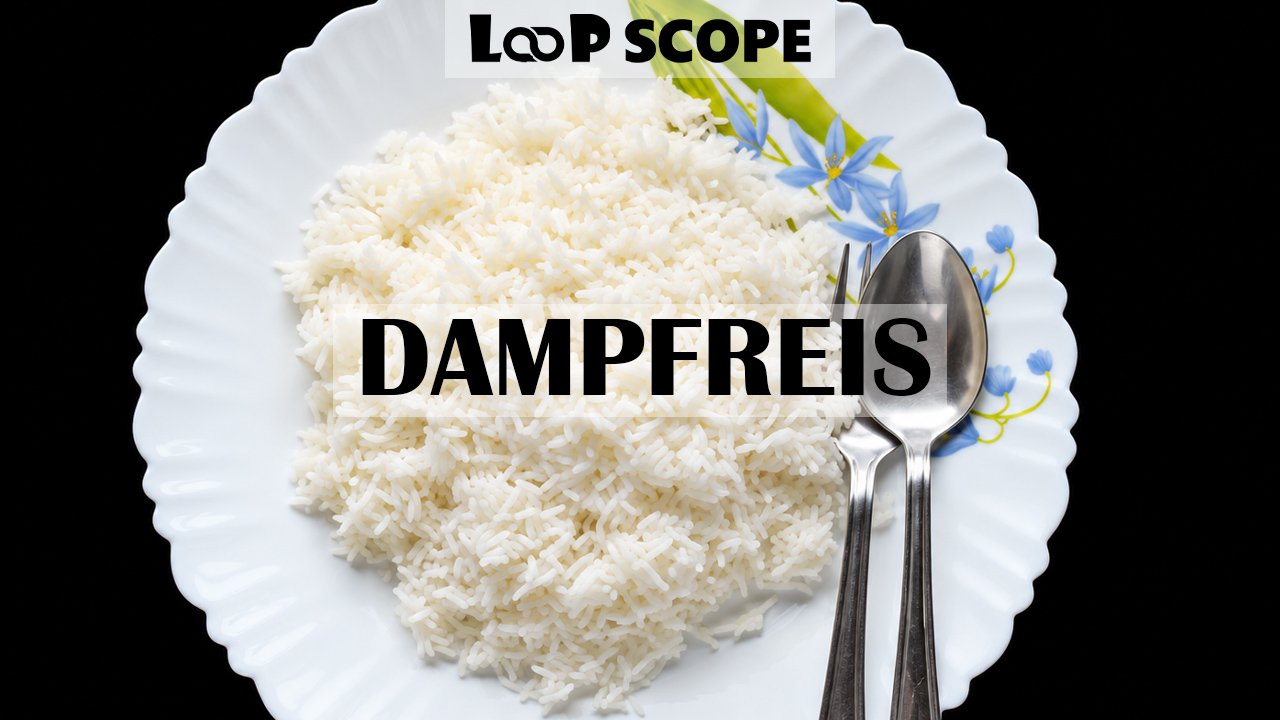
Dampfreis is a type of rice that has gone through a steaming process before it reaches the package, a method that changes both its texture and how it behaves once you cook it. If you have ever noticed a bag labeled “Dampfreis” next to regular long grain rice at the grocery store and wondered what actually sets it apart, you are not alone. The name itself gives a clue (Dampf means steam in German), but the details behind that steaming step matter more than most shoppers realize.
This article breaks down what Dampfreis actually is, how it is made, and how it compares to standard white or brown rice in terms of texture, nutrition, and cooking behavior. By the end, you will know exactly what you are buying when you pick up a bag of Dampfreis and whether it fits the dish you are planning.
What Does Dampfreis Mean?
Dampfreis is the German term for parboiled rice, also known as converted rice in English speaking markets. The word describes rice that has been partially boiled or steamed while still in its husk, before milling removes the outer layers. This step happens at the processing facility, long before the rice ever reaches a kitchen.
The process is not the same as simply cooking rice with steam the way you might at home. Instead, it is an industrial treatment applied to raw, unmilled rice grains to change their internal structure. Once that treatment is complete, the rice is dried, milled, and packaged like any other rice product, but the grain itself behaves differently on the stove.
How Dampfreis Is Made
The parboiling process behind Dampfreis generally involves three stages: soaking, steaming, and drying.
Soaking. Raw rice, still enclosed in its husk, is soaked in water. This softens the grain and begins moving nutrients from the outer bran layer toward the center of the grain.
Steaming. The soaked rice is then steamed under pressure. This step gelatinizes the starch inside the grain, which is the key transformation that gives parboiled rice its firmer texture later on. The heat also pushes vitamins and minerals from the bran layer further into the endosperm, the starchy interior of the grain.
Drying and milling. After steaming, the rice is dried back down to a stable moisture level and then milled to remove the husk and bran, producing the finished product you see on store shelves.
The result is a grain that looks slightly more yellow or amber than standard white rice before cooking, a visual difference caused by the steaming process itself. Once cooked, that tint mostly fades and the rice looks much closer to regular white rice.
Dampfreis Versus Regular Rice: The Core Differences
The comparison between Dampfreis and regular, untreated rice comes down to a few practical points that matter most when you are actually cooking dinner.
Texture and Stickiness
Regular white rice, especially varieties with higher starch content, tends to clump together as it cooks. Dampfreis behaves differently. Because the parboiling process alters the starch structure before milling, the cooked grains stay firmer and separate more easily. If you have ever struggled with rice turning gummy or sticking to the pot, this is the main reason Dampfreis has a loyal following among home cooks who want consistent, fluffy results without much effort.
Cooking Time
Dampfreis generally takes a bit longer to cook than standard white rice, often by a few extra minutes, since the grain has a firmer starch structure to soften. It is still faster than brown rice, though, because the outer bran and germ layers have already been removed during milling.
Nutritional Content
This is one of the more interesting differences and one that often gets overlooked. Because part of the parboiling process pushes nutrients from the bran layer into the grain’s interior before milling, Dampfreis tends to retain more of certain vitamins and minerals, particularly B vitamins, compared to regular milled white rice that skipped this step. It is not equivalent to brown rice in fiber content, since the bran is still removed, but it generally holds onto more nutrients than plain white rice that went straight from the field to the mill without steaming.
Appearance Before and After Cooking
Uncooked Dampfreis often looks slightly translucent or amber toned, a visible sign of the steaming process. Once cooked, most of that coloring disappears and the rice looks close to standard white rice, though some people notice it stays a touch less bright white.
Shelf Stability
Parboiled rice, including Dampfreis, tends to be more resistant to insects and spoilage during storage compared to raw milled rice, partly because of the heat treatment it undergoes during processing. This is one reason parboiling became popular industrially long before it became a household name.
Is Dampfreis the Same as Parboiled Rice?
Yes. Dampfreis is essentially the German market name for what is called parboiled rice or converted rice in English. The terms describe the same production method: partial boiling or steaming of the raw grain before milling. You may also see the term “Kochbeutelreis” in German grocery stores, referring to rice sold in boil-in-bag pouches, which is often (though not always) made from parboiled Dampfreis due to its non-stick cooking properties.
In many European markets, Dampfreis became closely associated with brands that popularized the convenience of rice that would not clump or stick, making it a common choice for home cooks who wanted predictable results without watching the pot closely.
How to Cook Dampfreis Correctly
Getting good results with Dampfreis is straightforward, but the ratios and timing differ slightly from regular white rice, so it helps to know what to expect.
Basic Stovetop Method
- Use a ratio of about 1 part rice to 1.75 to 2 parts water, depending on the specific product’s packaging instructions, since brands can vary slightly.
- Bring the water to a boil, then add the rice and a pinch of salt if desired.
- Reduce the heat to low, cover the pot, and let it simmer for around 18 to 20 minutes, slightly longer than the 15 minutes typical for regular white rice.
- Remove from heat and let it sit, covered, for about 5 minutes before fluffing with a fork.
Why the Extra Time Matters
Because the starch structure in Dampfreis is firmer after parboiling, the grains need a little more time and moisture to fully soften. Cutting the cooking time short often leaves the rice with a slightly harder bite than intended, so it is worth following package instructions rather than defaulting to the timing you might use for other rice varieties.
Rice Cooker and Microwave Options
Most rice cookers handle Dampfreis without any special settings, though some models include a dedicated “parboiled” or “converted rice” button that adjusts timing automatically. For microwave preparation, boil-in-bag versions are common precisely because Dampfreis holds its shape well during that quicker cooking method.
Why People Choose Dampfreis Over Regular Rice
The appeal of Dampfreis usually comes down to convenience and consistency rather than flavor, since the parboiling process has a relatively mild effect on taste.
Predictable texture. Home cooks who want rice that reliably turns out fluffy, with separate grains, often prefer Dampfreis because it is more forgiving than regular white rice if you slightly overcook it.
Good for meal prep. Because the grains hold their structure, Dampfreis tends to reheat well without turning mushy, which makes it a practical choice for batch cooking or leftovers.
Slightly better nutrient retention. For people who want a middle ground between plain white rice and brown rice, without the longer cooking time or denser texture of brown rice, Dampfreis offers a modest nutritional advantage over standard milled white rice.
Longer shelf life. Its resistance to pests and moisture damage during storage makes it a practical pantry staple.
What Dampfreis Is Not
It is worth clearing up a few common misconceptions.
Dampfreis is not the same as instant rice, sometimes called minute rice, which is fully cooked and then dehydrated for extremely fast preparation. Dampfreis still requires a normal cooking process, just with slightly adjusted timing.
It is also not the same as brown rice, even though both retain more nutrients than standard white rice. Brown rice keeps its bran and germ intact, giving it more fiber and a chewier texture, while Dampfreis has those layers removed during milling, just like white rice.
Finally, Dampfreis is not a specific rice variety, such as basmati or jasmine. It refers to a processing method that can technically be applied to different rice types, though it is most commonly associated with long grain white rice in supermarkets.
Practical Tips for Buying and Storing Dampfreis
When shopping, check the packaging for terms like “parboiled” or “converted” alongside “Dampfreis” to confirm you are getting the product you expect, since labeling conventions can vary slightly by brand and country.
Store it the same way you would store other dry rice: in a sealed container, away from moisture and direct sunlight. Its natural resistance to pests during processing does not mean it is immune to contamination once opened, so proper storage still matters for freshness and food safety.
If you are cooking for someone with specific dietary needs, note that Dampfreis is naturally gluten free, like other rice, making it a safe base for a wide range of meals.
Conclusion
Dampfreis is parboiled rice, created through a soaking, steaming, and drying process applied before milling, and it stands apart from regular rice mainly in texture, cooking time, and nutrient retention. It cooks up firmer and less sticky than standard white rice, takes a few extra minutes on the stove, and holds onto slightly more of its natural vitamins thanks to the steaming step. It is not the same as instant rice or brown rice, but it offers a practical middle ground for anyone who wants consistent, fluffy results without a long cooking process. Once you understand what happens during parboiling, the differences on your plate make a lot more sense, and choosing between Dampfreis and regular rice becomes an easy, informed decision based on what your recipe actually needs.
Frequently Asked Questions
Is Dampfreis healthier than regular white rice?
Dampfreis generally retains slightly more B vitamins and minerals than regular milled white rice because of the parboiling process, though it is not as nutrient dense as brown rice.
Does Dampfreis taste different from regular rice?
The taste difference is minimal. Most people notice a texture change, firmer and less sticky, rather than a significant flavor difference.
How long does Dampfreis take to cook?
It typically takes about 18 to 20 minutes on the stovetop, a few minutes longer than standard white rice.
Can I substitute Dampfreis for regular rice in any recipe?
Yes, in most recipes you can substitute Dampfreis for regular rice, though you may need to adjust cooking time and water slightly for the best texture.
Is Dampfreis the same as instant rice?
No, instant rice is fully precooked and dehydrated for very fast preparation, while Dampfreis still requires a standard cooking process.
Why doesn’t Dampfreis stick together when cooked?
The parboiling process changes the starch structure inside the grain, which helps the cooked rice stay firmer and keeps individual grains from clumping together.
Is Dampfreis gluten free?
Yes, like all rice, Dampfreis is naturally gluten free and safe for people avoiding gluten in their diet.