Caleb Whitaker
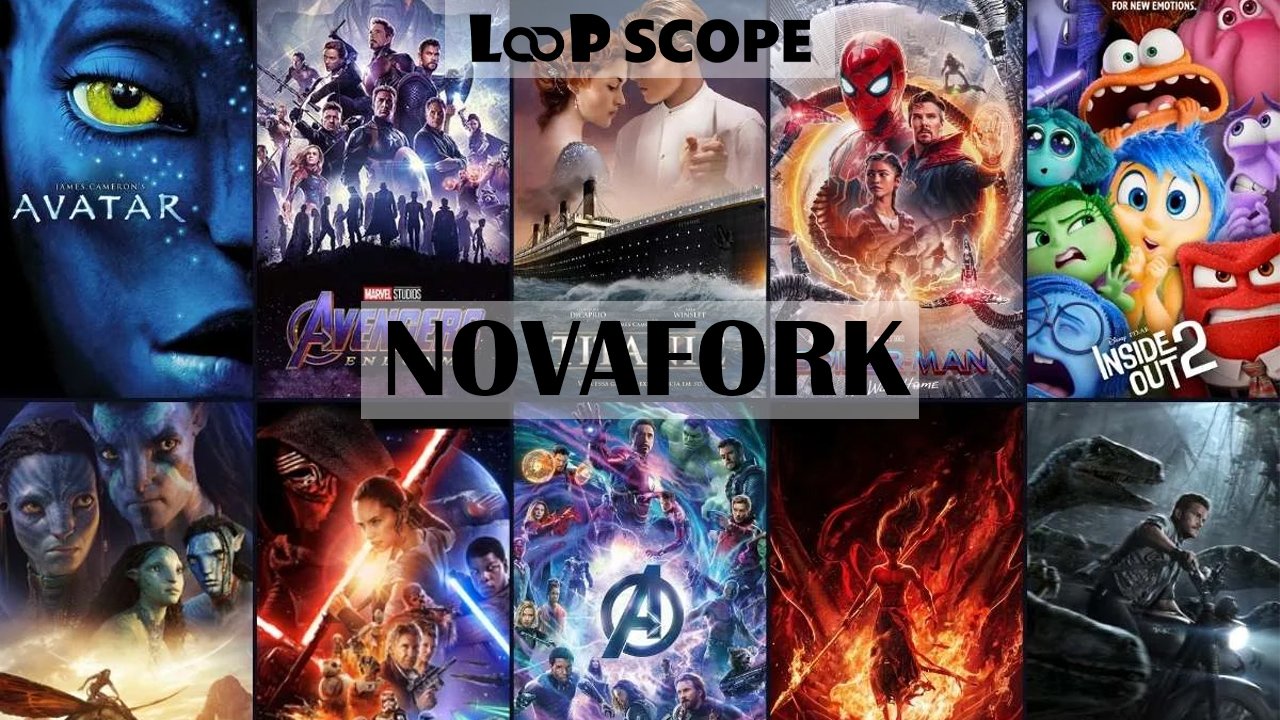
Novafork is a free streaming website that lets visitors search for movies and TV shows and watch them without paying a subscription fee. It has been getting more attention lately as viewers look for no-cost alternatives to services like Netflix or Hulu, and if you landed on the site (or heard the name from a friend) and want to know what you are actually dealing with before you click play, this guide walks through it step by step.
Rather than just telling you “it’s a streaming site,” we’ll cover how Novafork actually works behind the scenes, where its content comes from, whether it’s safe to use, and what the legal picture looks like. By the end, you should have a clear, honest answer instead of vague warnings or an equally vague sales pitch.
What Is Novafork, Exactly?
Novafork is a free, ad-supported website that aggregates movie and TV show listings and links visitors to third-party sources where the content can be streamed. It is not a traditional streaming service in the way Netflix or Disney Plus are. Those platforms license content directly and host the video files on their own servers. Novafork does neither. It functions more like a search and discovery layer that sits on top of other sources.
The name comes from the site being a “fork,” a software term for a copy of an existing project that a new developer or team takes in its own direction. Novafork is based on an open-source project called Nova, which was built as a movie and TV browsing interface. Anyone with coding knowledge could technically clone that project and deploy their own version, which is part of why sites using the Nova codebase (or names close to it) have popped up under a few different domains over time.
How Novafork Works
When you search for a title on Novafork, the site pulls basic information (poster art, plot summary, cast, ratings) from The Movie Database, commonly known as TMDb. TMDb is a large, legitimate, crowd-sourced movie and TV database that many legal apps also use for metadata. That part of Novafork is standard and unremarkable.
The streaming part is where things get more complicated. Once you select a title and hit play, Novafork does not serve the video from its own servers. Instead, it embeds a player that pulls the stream from a separate third-party source. Based on the site’s own open-source code, one of the sources it has relied on is a service called vidsrc.pro, which is a common backend used by a number of free streaming aggregator sites, not just Novafork.
In practice, this means Novafork’s real job is organizing and presenting a searchable catalog, while the actual video playback is handled somewhere else entirely. That distinction matters for both the safety and legal questions we’ll get into below.
Where Novafork Came From
The technical roots of Novafork trace back to a GitHub repository originally built as an open-source movie browsing tool, described by its creator as “a versatile streaming platform designed to bring you a diverse collection of movies,” with modular components for search, filtering, and theming.
That original GitHub project was archived in October 2025, meaning it’s now read-only and no longer actively maintained, even though it had picked up a modest following (roughly 140 stars and around 40 forks). The live websites operating under the Novafork name today are separate deployments built from that codebase, not the archived project itself. This is a common pattern with free streaming aggregators: the code is open and reusable, so when one domain gets taken down, another site using the same code can reappear under a new address, which is likely why you may notice Novafork’s web address shifting or multiple similarly named sites floating around.
Key Features of Novafork
Setting aside the safety and legal questions for a moment, here’s what the site typically offers based on its interface and stated description:
A large searchable catalog. Movies and TV series are browsable by title, and many versions of these Nova-based sites also organize content by genre, release year, or popularity.
No mandatory account for basic browsing. Most of these aggregator-style sites let you search and preview information without creating an account, though some add optional watchlist features that may prompt sign-up.
HD playback options. Novafork markets itself around “fast browsing and smooth streaming,” though actual video quality depends entirely on whichever third-party source is serving the stream at the time.
Mobile-friendly design. The site works reasonably well on phones and tablets and supports being added to a home screen as a web app on some devices.
A companion Android app. A Novafork app is listed on the Google Play Store, published by a developer called StackForges (operating under the name WILREC LTD). It has had very limited adoption, with Play Store data showing installs in the tens rather than thousands, and its own data safety disclosures state that it collects device identifiers and app activity, shares that data with third parties, does not encrypt it, and offers no way to delete the collected data.
Is Novafork Safe to Use?
This is usually the first question people actually care about, so here’s a direct answer: Novafork is not clearly dangerous, but it’s also not a site with an established safety track record, and there are enough caution signs that you should treat it carefully.
Independent scanning of the current Novafork domain has rated its trust score around the middle of the scale, roughly 56 out of 100, which typically gets labeled as “caution advised” rather than either “safe” or “dangerous.” A few specifics behind that rating:
- No active malware or phishing detections were found at the time of scanning.
- The site does use a valid SSL certificate, meaning your connection to the page itself is encrypted.
- The domain is relatively new, having been registered only a few months before this guide was written, which limits how much reputation history is available.
- Ownership details are registered privately, which is common for these sites but also means there’s no clear accountable party behind the content.
The bigger practical risk with sites like Novafork usually isn’t the main page itself, it’s what happens once you start clicking play buttons. Free streaming aggregators are typically funded by aggressive advertising, and that often means pop-up ads, redirect ads that open new tabs, or prompts urging you to install a browser extension or “update your player.” None of that is unique to Novafork specifically; it’s standard behavior across this entire category of site.
Is Novafork Legal?
Novafork operates in a legal gray area, and the honest answer is that its legality depends on factors most casual users can’t easily verify themselves.
Here’s the core issue: Novafork does not claim to host pirated files on its own servers. It presents movie and TV metadata from a legitimate database (TMDb) and then embeds video players from third-party sources. Whether that makes the site itself legal depends heavily on where those third-party sources get their video content, and whether they have licensing rights to distribute it. In many cases, the sources used by sites in this category do not hold official streaming rights, which is why copyright holders and anti-piracy groups have historically targeted similar aggregator and embed-based sites.
Laws around this also vary significantly by country. Some jurisdictions focus enforcement on the sites that host and distribute copyrighted content, with lighter or unclear consequences for someone simply watching a stream. Other countries have stricter rules that also create risk for viewers, not just operators. Because Novafork’s ownership is private and its underlying sources can change, it’s difficult to make a blanket legal statement that applies to every visitor everywhere.
If you want to stay clearly on the right side of copyright law, the safest path is sticking with licensed platforms, including the free, ad-supported ones covered later in this guide.
Novafork Website vs. the Novafork App
It’s worth separating these two, because they aren’t quite the same thing. The Novafork website works as described above: a browsable catalog with embedded third-party playback. The Android app listed on Google Play, by contrast, describes itself more narrowly as a movie and show discovery tool, offering details like cast information, ratings, and trailers, rather than explicitly marketing itself as a full streaming player.
Given the app’s minimal install numbers and the data-sharing practices disclosed on its own Play Store listing, first-time users who just want to browse or stream through a browser generally have less exposure than those who install the standalone app on their phone.
Practical Tips for First-Time Novafork Users
If you’re going to try the site despite the caveats above, a few habits will meaningfully cut down your risk:
- Use an ad blocker. This one step removes most of the pop-up and redirect problems tied to free streaming aggregators.
- Never enter personal or payment information. A legitimate free aggregator has no reason to ask for your credit card, email password, or ID.
- Avoid installing anything the site prompts you to download. Real video playback doesn’t require a special plugin, codec, or “player update” in 2026.
- Consider a VPN if you’re concerned about your ISP seeing your streaming activity, though that doesn’t change the legal questions around the content itself.
- Keep expectations realistic about uptime and links. Because Novafork depends on third-party sources for playback, broken links, dead streams, or the site changing domains are common with this type of service.
Legal Alternatives Worth Knowing About
If the safety and legal uncertainty around Novafork gives you pause, there are legitimate free, ad-supported streaming services that operate with proper licensing and don’t carry the same risk profile. Options like Tubi, Pluto TV, The Roku Channel, and Crackle offer real movie and TV libraries at no cost, funded by ads rather than by routing you through unverified third-party embeds. Plex also offers a free, ad-supported tier with licensed content in addition to its media server features. None of these require the same trade-offs around privacy or copyright uncertainty that come with aggregator sites like Novafork.
Final Thoughts
Novafork is, at its core, a free movie and TV discovery site that pulls legitimate metadata from TMDb but depends on third-party sources for the actual video streams it links to. That structure is what makes it both accessible (no subscription, minimal sign-up friction) and uncertain (limited accountability, an unclear licensing picture, and a domain history that suggests these sites tend to move around).
None of that means every visitor will run into a problem. But going in with clear eyes, understanding how the site is built, what data its companion app collects, and where the legal gray areas sit, puts you in a much better position to make an informed decision than clicking through blindly. If low risk matters more to you than saving a few dollars a month, the licensed free alternatives mentioned above are worth a look before you rely on Novafork as your regular go-to.
Frequently Asked Questions
Is Novafork free to use?
Yes. Novafork does not charge a subscription fee. It’s supported by advertising rather than a paid membership, which is typical for this category of streaming aggregator site.
Do I need to create an account to use Novafork?
Generally no. Basic browsing and searching typically don’t require sign-up, though some versions of the site may prompt account creation for extras like saved watchlists.
Does Novafork host its own video files?
No. Novafork pulls movie and show information from TMDb and links to third-party sources for actual video playback rather than hosting content on its own servers.
Is the Novafork app the same as the website?
Not exactly. The Android app on Google Play markets itself more as a movie and show discovery tool with details like cast and trailers, and it has disclosed data-sharing practices worth reviewing before installing.
Why does Novafork’s web address seem to change?
Because it’s built on reusable open-source code, similar sites under the Novafork name have appeared on different domains over time, a common pattern when a site is taken down or a new operator deploys a fresh copy.
Is streaming on Novafork illegal?
It depends on your location and the specific source serving the video at any given time. The site itself sits in a legal gray area because it doesn’t host content directly, and laws around watching unlicensed streams vary by country.
What are safer alternatives to Novafork?
Licensed, free, ad-supported services like Tubi, Pluto TV, The Roku Channel, Crackle, and Plex’s free tier offer movies and TV shows without the copyright and privacy uncertainty tied to aggregator sites.