
 Caleb Whitaker
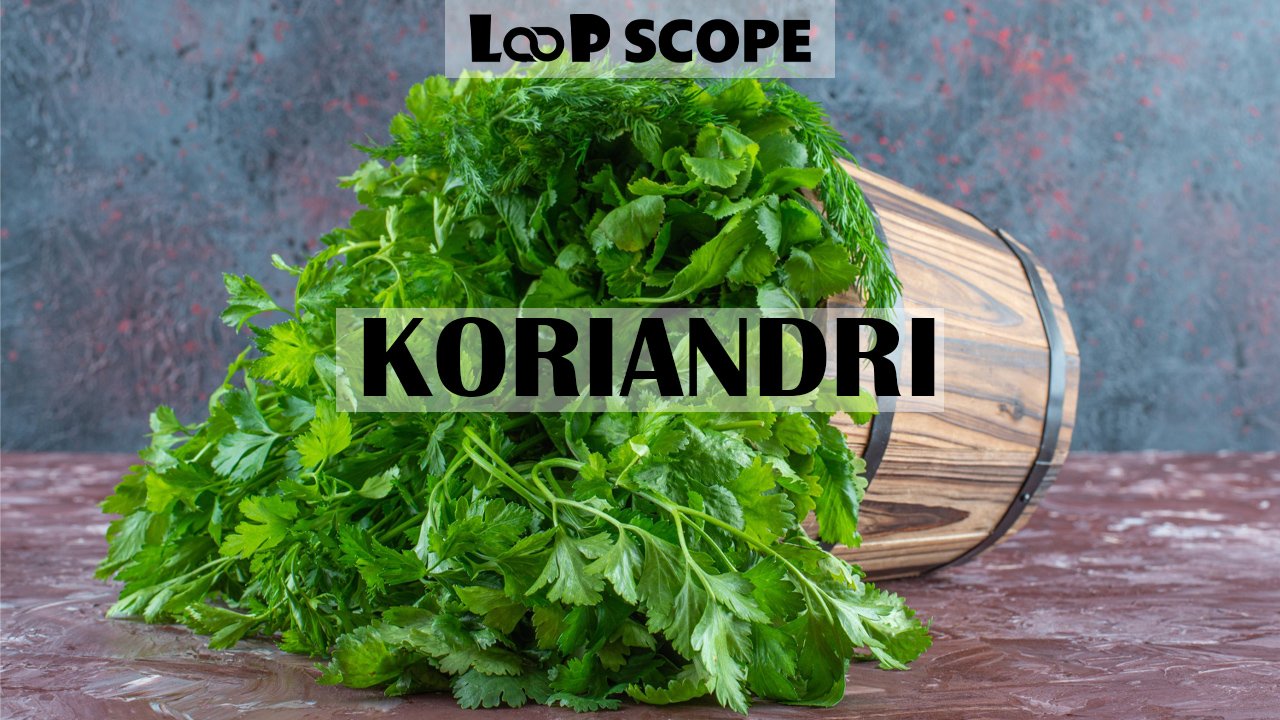
Koriandri is one of those herbs that shows up in kitchens everywhere, yet most people only know it by one of its other names. Depending on where you live, you might call it cilantro, coriander, or dhania, but all of these terms point back to the same plant: Coriandrum sativum. This article breaks down what koriandri actually is, how it tastes, what it offers nutritionally, and how to use it well in everyday cooking.
If you have ever wondered why one plant seems to have so many identities, or why some people love it while others can’t stand the taste, you are in the right place. We will walk through the science, the flavor, and the practical side of using koriandri at home.
What Is Koriandri?
Koriandri refers to Coriandrum sativum, an annual herb in the Apiaceae family, which also includes parsley, carrots, and celery. It is one of the oldest cultivated herbs in human history, with archaeological evidence of its use dating back thousands of years across the Mediterranean and Middle East.
What makes koriandri distinct from many other herbs is that nearly every part of the plant is edible and useful. The fresh leaves are commonly called cilantro in the United States, while the dried seeds are called coriander almost everywhere. In the United Kingdom and much of Europe, both the leaves and seeds go by the single name “coriander.” The roots are also used, particularly in Southeast Asian cooking, where they bring a more concentrated, earthy flavor to broths and pastes.
Because the plant produces two very different culinary ingredients from one source, it has earned a reputation as one of the more versatile herbs in global cuisine.
Where Koriandri Comes From
Koriandri is native to regions spanning Southern Europe, North Africa, and Southwest Asia. Historical records place it among the herbs used in ancient Egypt, and it is mentioned in early Greek and Roman texts as both a culinary and medicinal plant. Seeds resembling coriander have even been found in Egyptian tombs, suggesting the plant held some cultural or ceremonial significance in addition to its practical uses.
Over centuries, koriandri spread along trade routes into South Asia, where it became a foundational spice in Indian cooking, and later into the Americas following European colonization. Today it is grown commercially in countries including India, Morocco, Russia, and parts of Eastern Europe, with India producing a significant share of the world’s coriander seed supply.
Koriandri, Cilantro, and Coriander: Clearing Up the Names
One of the most common points of confusion is the naming itself. Here is a simple breakdown:
- In American English, “cilantro” usually refers to the fresh leaves and stems of the plant.
- “Coriander” in American English typically refers to the dried seeds used as a spice.
- In British English, “coriander” is used for both the fresh leaves and the seeds, with context making the distinction clear.
- “Dhania” is the common term used in South Asia for the same plant, often referring to both leaves and seeds depending on the region.
- “Koriandri” appears in some regional and stylized usage as another name for the same herb, tying back to its Latin root, Coriandrum.
Regardless of the label, all of these terms describe the same botanical plant. The differences come down to language and regional habit, not different herbs.
The Flavor Profile of Koriandri
Koriandri’s flavor changes dramatically depending on which part of the plant you use, which is part of what makes it so interesting to cook with.
Fresh Leaves
The fresh leaves have a bright, citrusy taste with a slightly peppery edge. Many people describe it as fresh, green, and almost soapy in aroma. This is not an exaggeration for everyone. A well-documented genetic variation affects how some people perceive the aldehydes in cilantro leaves, causing the herb to taste like soap rather than something pleasant and citrusy. Research into this phenomenon has linked it to specific olfactory receptor genes, meaning the reaction is largely biological rather than a matter of personal taste alone.
Dried Seeds
The seeds offer a completely different experience. Once dried and often toasted or ground, they take on a warm, nutty, slightly sweet flavor with hints of citrus and a mild earthiness. This is why coriander seed shows up so often in spice blends, curries, pickling mixes, and baked goods, where its flavor rounds out other stronger spices rather than competing with them.
Roots and Stems
The roots, used most often in Thai cooking, carry a more intense and earthy version of the leaf flavor. Stems, meanwhile, offer a milder version of the leaf taste and are often included in cooking rather than discarded, since they hold up better to heat than the delicate leaves.
Why Some People Think Koriandri Tastes Like Soap
This is one of the most searched questions about the herb, so it deserves a direct answer. Some people genuinely perceive koriandri leaves as tasting soapy or metallic rather than fresh and citrusy. Studies, including genetic research published in the early 2010s, have connected this perception to a specific gene related to smell receptors that detect certain aldehyde compounds in the plant. People with this genetic variation are more sensitive to those compounds, which chemically overlap with substances used in some soaps.
This means the “soap taste” reaction is not simply a matter of picky eating. It is a documented sensory response tied to genetics, and it explains why opinions on cilantro tend to be so strongly divided.
Nutritional Benefits of Koriandri
Beyond flavor, koriandri brings a reasonable nutritional profile to the table, particularly in its fresh leaf form.
Key Vitamins and Minerals
Fresh koriandri leaves contain notable amounts of vitamin K, which plays a role in blood clotting and bone health, along with vitamin A and vitamin C. The leaves also provide small amounts of potassium and other trace minerals. Because it is typically used in small quantities as a garnish or flavoring herb rather than eaten in large portions, its contribution to daily nutrient intake is modest but still meaningful, especially for vitamin K.
Potential Health Benefits
Coriander, in both leaf and seed form, has a long history in traditional medicine systems, including Ayurveda and traditional Middle Eastern practices. Some of the more commonly cited traditional uses include support for digestion and relief from mild bloating. Modern research on coriander’s bioactive compounds, including certain antioxidants and essential oils, has explored potential benefits related to digestive comfort and cholesterol management, though much of this research remains preliminary and is often based on animal studies or small trials rather than large-scale human research.
It is worth being cautious here. While koriandri is a nutritious herb and a reasonable addition to a balanced diet, it should not be treated as a substitute for medical treatment or a guaranteed remedy for any health condition. Anyone considering coriander supplements or concentrated extracts for a specific health concern should talk to a healthcare provider first, particularly if they are on medication, since certain plant compounds can interact with blood thinners or blood pressure medications.
Culinary Uses of Koriandri
Koriandri’s dual nature as both an herb and a spice makes it genuinely useful across a wide range of cuisines.
Cooking With Fresh Leaves
Fresh koriandri leaves work best added at the end of cooking or used raw, since heat quickly diminishes their bright flavor. Common uses include:
- Garnishing soups, curries, and tacos
- Blending into salsas, chutneys, and dipping sauces
- Mixing into salads for a citrusy contrast
- Adding to marinades for fish, chicken, or vegetables
Cooking With Coriander Seeds
Coriander seeds hold up much better to heat, which is why they are often toasted whole or ground into powder before cooking. They appear in:
- Spice blends such as garam masala, ras el hanout, and curry powders
- Pickling brines for vegetables
- Rubs for roasted meats
- Baked goods, particularly in some European and Middle Eastern recipes
Cooking With Roots and Stems
In Thai and other Southeast Asian cooking, coriander root is often pounded into curry pastes alongside garlic and chili, contributing a deeper, more savory backbone to the dish. Stems can be finely chopped and added earlier in the cooking process than the leaves, since they tolerate heat better.
How to Buy, Store, and Prepare Koriandri
When buying fresh koriandri, look for bunches with vibrant green leaves and no yellowing or wilting. The stems should feel firm rather than slimy or soft.
To store it, trim the stem ends and place the bunch in a jar with a small amount of water, similar to how you would store fresh flowers, then loosely cover the leaves with a plastic bag and refrigerate. This method can keep the herb fresh for a week or longer, compared to just a few days when stored in a standard produce bag.
Before using, rinse the leaves thoroughly, since coriander often carries dirt and grit close to the stems. Pat dry or use a salad spinner, then chop as needed. For seeds, store them in a sealed container away from light and heat, and consider toasting them briefly in a dry pan before grinding to release more of their aromatic oils.
Growing Koriandri at Home
Koriandri is relatively easy to grow in a home garden or container, though it has a reputation for bolting, or flowering and going to seed, quickly in warm weather. It grows best in cooler temperatures and partial sun, and many gardeners plant it in succession every few weeks to maintain a steady supply of fresh leaves throughout the growing season.
If the plant does bolt and produce flowers, it is not wasted. Those flowers eventually produce the seeds that become coriander spice, so a single plant can provide both the fresh leaf harvest and a later seed harvest if allowed to mature fully.
Conclusion
Koriandri is a single plant with two distinct culinary identities: bright, citrusy leaves known as cilantro, and warm, nutty seeds known as coriander. Its long history across Mediterranean, Middle Eastern, and South Asian cuisines reflects just how adaptable and valued this herb has been for thousands of years. Whether you enjoy it fresh in salsas and garnishes or ground into spice blends and curries, koriandri offers real culinary versatility along with a modest nutritional boost, particularly in vitamin K and antioxidants.
For those who experience the well-documented soapy taste reaction, the seeds offer a completely different flavor experience worth exploring, since the compounds responsible for that reaction are concentrated mostly in the fresh leaves. Understanding the plant’s different parts, its regional names, and its best uses in the kitchen makes it much easier to appreciate why koriandri has remained a kitchen staple across so many cultures for so long.
Frequently Asked Questions
What is koriandri?
Koriandri is another name for Coriandrum sativum, the plant known more commonly as cilantro (for its leaves) and coriander (for its seeds). It belongs to the parsley family and is used widely in global cooking.
Is koriandri the same as cilantro?
Yes. In American English, cilantro refers specifically to the fresh leaves of the koriandri plant, while coriander usually refers to the dried seeds. Both terms describe parts of the same plant.
Why does koriandri taste like soap to some people?
A genetic variation affecting smell receptors makes some people highly sensitive to certain aldehyde compounds in the leaves, which chemically resemble compounds found in soap. This is a documented biological response, not simply a matter of preference.
What part of koriandri is used in cooking?
The leaves, stems, roots, and seeds are all used, though each part serves a different culinary purpose. Leaves and stems are common in fresh dishes, roots appear in Southeast Asian curry pastes, and seeds are used as a warm, aromatic spice.
What are the health benefits of koriandri?
Koriandri provides vitamin K, vitamin A, vitamin C, and antioxidants, and has traditional uses tied to digestion support. Research on more specific health claims is still developing and should not replace medical advice.
How should koriandri be stored?
Fresh leaves stay best when trimmed and stored upright in a jar of water in the refrigerator, loosely covered with a plastic bag. Seeds should be kept in a sealed container away from heat and light.
Can koriandri be grown at home?
Yes. It grows well in cool weather with partial sun and is commonly grown in containers or garden beds. It tends to bolt quickly in heat, so many gardeners plant it in small batches every few weeks.