 Caleb Whitaker
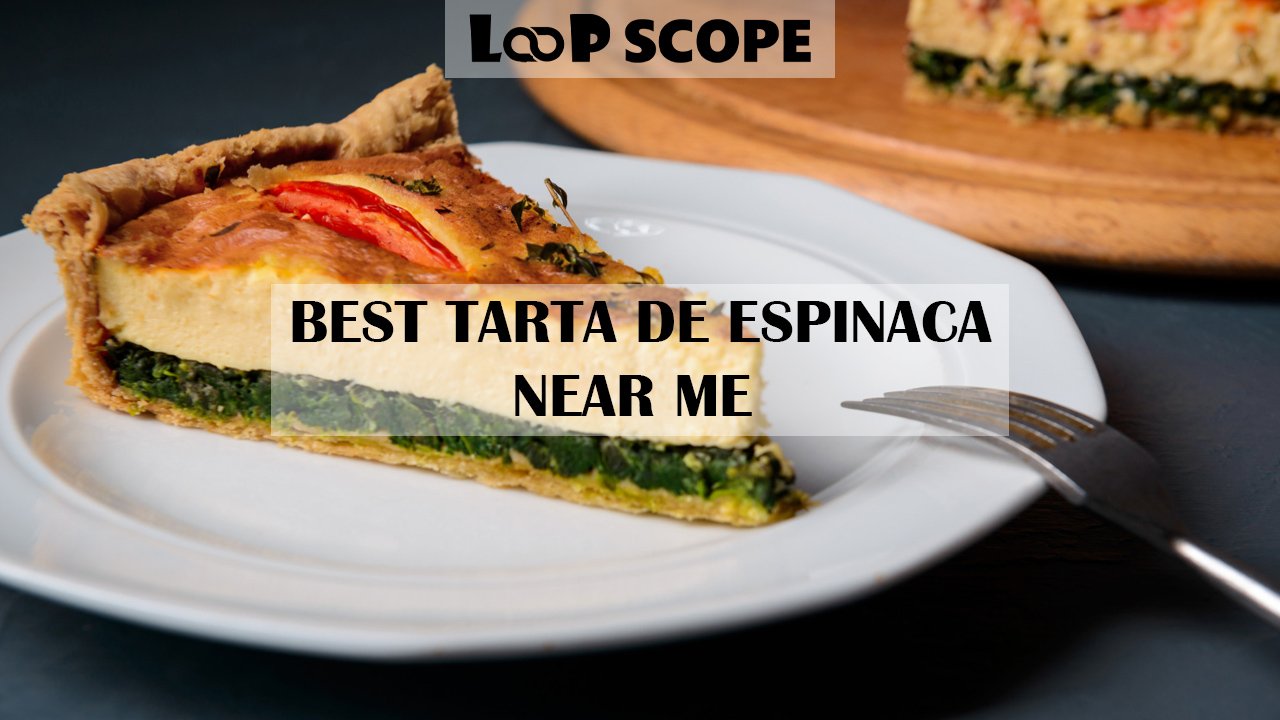
Finding the best tarta de espinaca near me starts with knowing what you’re actually looking for, because not every spinach pastry sold at a Spanish bakery or tapas restaurant is made the same way. Some versions lean sweet with raisins and pine nuts, others are savory and cheese-heavy, and the crust can range from flaky puff pastry to a denser shortcrust base. This guide walks through what the dish is, what separates a good one from a mediocre one, and how to actually track down a quality tarta de espinaca in your own city.
Maybe you grew up eating this dish at a family table in Spain, or maybe you just spotted it on a menu and want to know what to order. Either way, the goal here is practical: help you recognize quality, understand the regional differences, and search smarter so you’re not gambling on a random bakery box.
What Is Tarta de Espinaca?
Tarta de espinaca is a Spanish savory pastry made from cooked spinach wrapped in pastry dough, most commonly puff pastry, and often mixed with pine nuts, raisins, and sometimes hard-boiled egg or cheese. The name translates literally to “spinach tart” or “spinach pie,” and in Spain it’s a staple of home cooking, bakery counters, and tapas menus, particularly during Lent.
The dish sits in the same broad family as other stuffed pastries found around the Mediterranean, but it has its own identity. Unlike a quiche, it typically has no custard or egg-based filling holding it together; the spinach itself, often combined with a light bechamel or simply reduced down until it’s dry enough to hold its shape, is the main event. Some versions are open-faced like a galette, while others are fully enclosed, similar to an empanada.
What Makes a Great Tarta de Espinaca
The Crust Matters as Much as the Filling
A well-made tarta de espinaca has pastry that’s crisp on the outside and not soggy underneath, even after the spinach filling has been sitting inside it. Bakeries that use fresh, properly laminated puff pastry produce a noticeably flakier result than places relying on lower-quality frozen dough. If the bottom crust feels damp or gummy when you bite into it, that’s usually a sign the filling wasn’t drained or cooked down enough before assembly.
The Spinach Filling Should Taste Like Spinach, Not Just Salt
Good versions let the spinach flavor come through instead of masking it entirely with cheese or seasoning. The spinach should be tender but not mushy, and it shouldn’t taste watery or bland. A pinch of nutmeg or garlic is common and works well when used with a light hand.
Balance Between Sweet and Savory
Many traditional recipes include raisins and pine nuts, which give the tart a subtle sweetness against the savory spinach. This combination is one of the dish’s signature traits, and when it’s done well, neither element overpowers the other. If you order a tarta de espinaca and it tastes flat or one-note, it may be a simplified or commercial version made without these traditional additions.
How to Find the Best Tarta de Espinaca Near You
Start With Spanish Bakeries and Pastelerías
The most reliable places to find an authentic tarta de espinaca are Spanish bakeries, often labeled “pastelería” or “panadería,” rather than general international grocery stores. These bakeries are more likely to make the pastry in-house daily rather than reheating a frozen product. If your city has a Spanish or Catalan community, search for bakeries associated with that community first.
Check Tapas Restaurants and Mediterranean Delis
Tapas restaurants sometimes offer tarta de espinaca as a starter or shareable plate, and Mediterranean delis that carry Spanish products may sell it by the slice. These spots can be hit or miss on authenticity, so it helps to ask the staff whether the pastry is made in-house or sourced from a supplier.
Use Maps and Reviews the Smart Way
When you search “best tarta de espinaca near me” on Google Maps or a similar app, don’t just look at the overall star rating. Filter or scan reviews specifically for mentions of “spinach tart,” “spinach pie,” or “espinacas,” since a bakery with a high overall rating might only have a handful of reviews that actually mention this specific item. Photos in reviews are especially useful here, since they let you see the crust color and filling texture before you order.
Call Ahead if the Dish Isn’t on the Regular Menu
Some bakeries make tarta de espinaca seasonally, especially around Lent, rather than year-round. A quick phone call or a check of the bakery’s social media page can save you a wasted trip if the item is only available on certain days or during certain weeks.
Tarta de Espinaca vs Spanakopita: What’s the Difference
Tarta de espinaca and spanakopita are often compared because both are spinach-filled pastries popular in Mediterranean cooking, but they come from different culinary traditions and taste noticeably different. Spanakopita, a Greek dish, typically uses phyllo dough and is filled with spinach and feta cheese, giving it a salty, tangy flavor. Tarta de espinaca, by contrast, usually relies on puff pastry or shortcrust and leans on the sweet-savory combination of raisins and pine nuts rather than feta.
If you’ve had spanakopita before and are trying tarta de espinaca for the first time, expect a milder, less briny flavor and a pastry that’s generally richer and more buttery than delicate phyllo layers. Neither is better than the other; they’re simply built around different regional traditions.
Regional Variations Worth Trying
Spain’s regional cooking produces some real variation in how tarta de espinaca is made. In Catalonia, a related dish called “coca de espinacs” uses a flatter, bread-like base and is often topped with pine nuts and sometimes anchovies or salted cod, giving it a saltier profile than the sweeter versions found elsewhere. In the Basque Country, spinach pastries tend to be smaller and more tapas-oriented, served as a single bite rather than a full slice. In parts of Andalusia, you may find versions that incorporate chickpeas or a bit of chorizo for added richness, moving further from the traditional meatless recipe.
If you have access to bakeries representing different Spanish regions, trying a few versions side by side is one of the best ways to understand how varied this single dish can be.
When You’re Most Likely to Find It
Tarta de espinaca is closely associated with Cuaresma, the Lenten season leading up to Easter, since it’s a meatless dish that fits fasting traditions observed in Spanish Catholic culture. Bakeries often feature it more prominently during this period, and it’s common on Holy Week menus alongside other meatless specialties. That said, many bakeries and restaurants also sell it year-round as a regular tapas or bakery item, so you don’t necessarily need to wait for a specific season to find one, especially in cities with an established Spanish food scene.
Dietary Notes: Vegetarian, Vegan, and Gluten-Free Options
Traditional tarta de espinaca is vegetarian, since the classic recipe doesn’t include meat, though it often does include egg or dairy in the pastry or filling, so it isn’t automatically vegan. If you’re avoiding animal products entirely, ask specifically whether the pastry dough is made with butter and whether the filling includes cheese, egg, or a dairy-based bechamel, since recipes vary from one bakery to the next.
Pine nuts are a common allergen concern, and since they’re a traditional ingredient in many recipes, anyone with a tree nut allergy should always ask before ordering. Gluten-free versions are uncommon at most traditional Spanish bakeries, since the dish depends on wheat-based pastry, so if you need a gluten-free option, you may need to look for a specialty bakery that caters to that diet specifically rather than a traditional pastelería.
Storing and Reheating Leftovers
Tarta de espinaca keeps well in the refrigerator for a few days when stored in an airtight container. To reheat it while preserving the pastry’s texture, use an oven or toaster oven rather than a microwave; a few minutes at moderate heat will crisp the crust back up, while microwaving tends to leave it soft and slightly rubbery. If you buy a whole tart rather than a single slice, slicing it before storing makes reheating individual portions easier.
If You Can’t Find One Nearby: Making It at Home
If there’s no bakery near you that carries tarta de espinaca, it’s a manageable dish to make at home with frozen puff pastry, fresh or frozen spinach, pine nuts, raisins, and a bit of garlic and nutmeg for seasoning. The basic process involves cooking down the spinach until most of the moisture has evaporated, mixing in the pine nuts and raisins, then wrapping the filling in pastry and baking until golden. It won’t necessarily replicate a specific regional bakery’s recipe, but it gives you a reasonable starting point to adjust to your own taste, and it’s a useful backup if your search for a local bakery version comes up empty.
Conclusion
Tracking down the best tarta de espinaca near you comes down to a few practical habits: prioritizing bakeries that make the pastry fresh rather than reheating a frozen product, reading reviews that specifically mention the dish rather than relying on a general star rating, and understanding that regional recipes from Catalonia, the Basque Country, and Andalusia will all taste a little different from one another. Once you know what a well-balanced version should taste like, crisp pastry, tender spinach, and that signature touch of sweetness from raisins and pine nuts, it becomes much easier to tell a great bakery from an average one. And if your search comes up short, making a version at home is a realistic fallback rather than a last resort.
FAQs
What does tarta de espinaca taste like?
It typically tastes savory with a mild sweetness from raisins and pine nuts, wrapped in a flaky or buttery pastry crust. The spinach flavor should come through clearly rather than being masked by heavy seasoning, and the overall taste is milder and less salty than similar dishes like spanakopita.
Is tarta de espinaca the same as spinach quiche?
No, they’re different. Quiche relies on an egg-based custard filling, while tarta de espinaca is usually held together by the cooked spinach itself, sometimes with a light bechamel, rather than a set custard.
Is tarta de espinaca vegetarian?
Traditional recipes are vegetarian, since they don’t include meat. However, some bakery versions may not be vegan, since the pastry or filling can include butter, egg, or cheese, so it’s worth asking if you follow a strict plant-based diet.
Where can I buy tarta de espinaca near me?
Spanish bakeries and pastelerías are the most reliable source, followed by tapas restaurants and Mediterranean delis that carry Spanish products. Searching Google Maps with terms like “Spanish bakery” alongside checking reviews for mentions of spinach tart or pie usually turns up the best local options.
Is tarta de espinaca only available during Lent?
It’s especially common during Cuaresma and Holy Week because it’s a meatless dish, but many bakeries with an established Spanish menu sell it year-round rather than only seasonally.
Does tarta de espinaca contain nuts?
Many traditional recipes include pine nuts, so it’s important to ask before ordering if you have a tree nut allergy. Not every bakery includes them, but they’re common enough in classic recipes to always double check.
Can I freeze tarta de espinaca?
Yes, it generally freezes well before or after baking. If freezing a baked tart, wrap it tightly and reheat it directly from frozen in the oven to help the pastry stay crisp rather than becoming soggy.