
 Caleb Whitaker
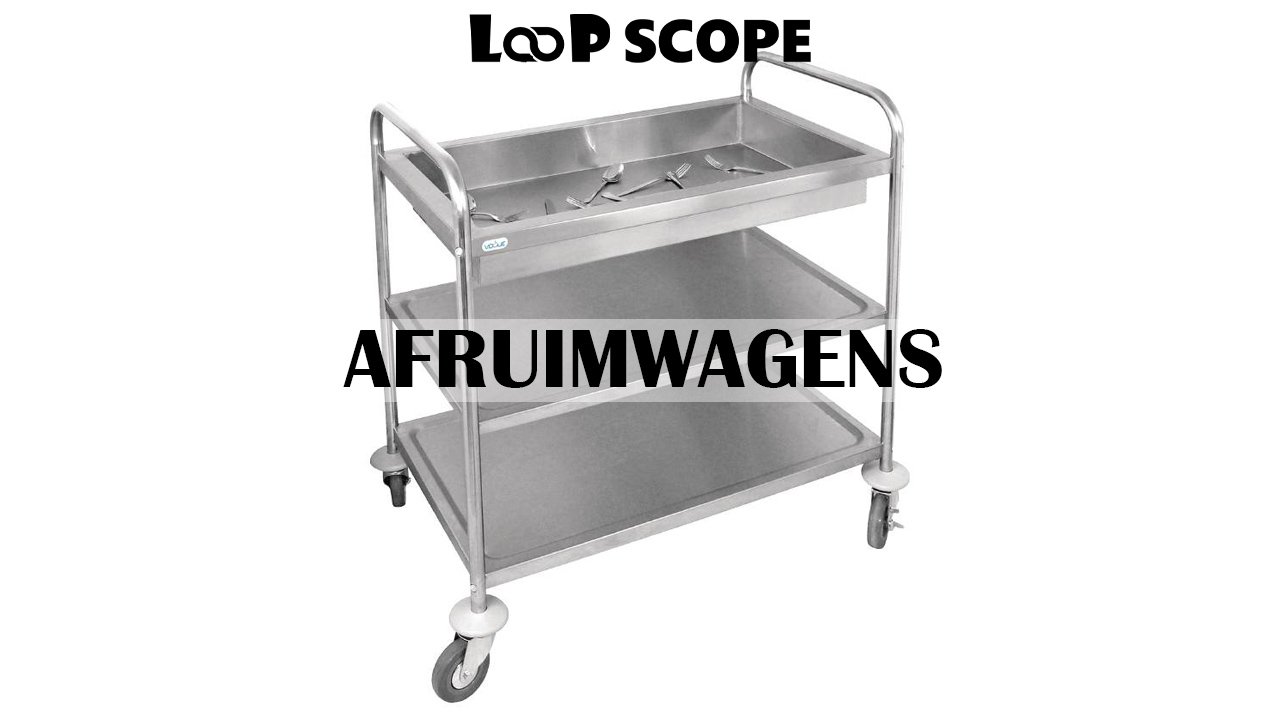
If you work in retail, logistics, or store operations, you have probably come across the term afruimwagens, even if nobody ever stopped to explain exactly what one is or why it matters. These carts show up in the background of nearly every busy store, quietly doing the unglamorous work of moving stock, collecting returns, and keeping shelves organized. This guide breaks down what afruimwagens are, how they function in daily retail operations, and why choosing the right one can make a noticeable difference in how smoothly a store runs.
Whether you are outfitting a new store, replacing worn-out equipment, or simply trying to understand a term you keep seeing in supplier catalogs, this article covers the practical details retailers actually need to know.
What Is an Afruimwagen?
An afruimwagen is a mobile cart, typically used in Dutch and Belgian retail environments, designed to help store staff collect, sort, and transport merchandise during restocking, tidying, and clearance tasks. The word itself comes from Dutch, where “afruimen” means to clear away or tidy up, and “wagen” means cart or trolley. Put together, it describes exactly what the equipment does: it helps staff clear items from shelves, aisles, or fitting rooms and move them where they need to go.
These carts are a staple in supermarkets, department stores, clothing retailers, and warehouses. They are not flashy or complicated, but they solve a real operational problem: how do you efficiently move loose products, returned items, or restocking inventory around a store without constant back-and-forth trips?
Why Afruimwagens Matter in Retail Operations
Retail stores generate a constant stream of small logistical tasks throughout the day. Products get returned to the wrong shelf by customers, seasonal displays need to be broken down, fitting rooms fill up with tried-on clothing, and new deliveries need sorting before they reach the sales floor. An afruimwagen gives staff a practical way to handle all of this without making dozens of separate trips.
The value isn’t really about the cart itself. It’s about the time and physical strain it saves. A single employee pushing a well-designed afruimwagen can collect items from multiple aisles in one pass, rather than carrying an armful of products back to the stockroom every few minutes. Over the course of a shift, that adds up to meaningful efficiency gains, especially in larger stores where distances between departments are significant.
The Connection Between Store Organization and Customer Experience
There’s also a customer-facing side to this. Shoppers respond to visual order. Shelves that look picked-over, cluttered, or disorganized can subtly discourage browsing, even if the products themselves are fine. Afruimwagens help staff maintain that sense of order throughout the day, not just during scheduled restocking windows. When employees can quickly clear misplaced items and tidy displays between customer interactions, the store maintains a more consistent appearance without requiring extra staffing hours dedicated solely to cleanup.
How Afruimwagens Are Typically Designed
Most afruimwagens share a few common design features, though specifics vary by manufacturer and intended use.
Multiple shelves or tiers. Many models include two or three levels, allowing staff to separate items by category, destination, or condition (for example, keeping damaged goods separate from items that simply need to be returned to their proper shelf).
Wheeled base with locking casters. Mobility is the entire point of the design, so smooth-rolling wheels are standard. Locking casters let staff park the cart safely in an aisle without it drifting, which matters in stores with sloped floors or high foot traffic.
Compact footprint. Because these carts need to maneuver through narrow aisles, they are generally narrower than warehouse pallet trucks or bulk transport equipment. The goal is agility, not maximum capacity.
Durable, easy-to-clean materials. Retail environments see heavy daily use, so afruimwagens are typically built from metal frames, wire mesh, or durable plastic that can handle repeated loading and unloading without degrading quickly.
Open or basket-style storage. Unlike enclosed storage carts, afruimwagens usually have open shelving or basket sections, making it easy to see contents at a glance and load or unload items quickly.
Some models are specialized further, with hanging rails for clothing retailers, which allows staff to move garments on hangers without folding or bagging them first. This is particularly common in apparel stores where fitting room turnover is constant.
Common Uses for Afruimwagens in Retail
Restocking Shelves
One of the most frequent uses is straightforward restocking. When new inventory arrives or shelves run low, staff load an afruimwagen with product from the stockroom and wheel it directly to the sales floor. This is far more efficient than making repeated trips carrying boxes or individual items by hand.
Handling Returns and Misplaced Items
Customers move things. It’s an unavoidable part of retail. Products get picked up, examined, and then set down somewhere else entirely, sometimes far from their original location. Afruimwagens give staff a mobile collection point as they walk the floor, gathering misplaced items and either returning them directly to the correct shelf or bringing them back to be sorted.
Clothing Retail and Fitting Room Management
In apparel stores, fitting rooms generate a steady flow of tried-on clothing that needs to go back on the sales floor. A hanging-rail afruimwagen lets staff collect multiple garments at once, wheel them through the store, and redistribute them to the correct sections without wrinkling or mishandling the fabric.
Seasonal and Promotional Changeovers
When a store transitions between seasonal displays or promotional layouts, large quantities of product often need to move at once. Afruimwagens help staff break down old displays and set up new ones efficiently, reducing the downtime a section spends looking unfinished or empty.
Warehouse and Backroom Sorting
Even outside the main sales floor, these carts serve a purpose in stockrooms. Staff use them to sort incoming deliveries by department or destination before items ever reach the shelves, which streamlines the entire restocking workflow.
What to Consider When Choosing an Afruimwagen for Your Store
Not every retail environment has the same needs, so it’s worth thinking through a few practical factors before selecting equipment.
Aisle width and store layout. A cart that’s too wide will constantly bump into shelving or block customer pathways. Measure your narrowest regularly used aisles before choosing a model.
Load capacity. Consider what you’ll realistically be moving. A general merchandise store handling boxed goods has different requirements than a clothing store primarily moving garments on hangers.
Number of tiers or compartments. More shelves allow better sorting during use, but they also add height and weight. Balance organizational benefits against maneuverability.
Wheel quality. Casters that stick, squeak, or struggle on uneven flooring slow staff down and create unnecessary noise on the sales floor. Smooth-rolling, well-maintained wheels matter more than they might seem to at first glance.
Ease of cleaning and maintenance. Since these carts see daily use, materials that resist wear, and designs that are simple to wipe down, will hold up better over time.
Specialized features. Hanging rails, bag hooks, or bins for small items can be worth the investment depending on your store’s product mix.
Afruimwagens vs. Other Retail Cart Types
It’s easy to confuse afruimwagens with other mobile retail equipment, so a quick comparison helps clarify where they fit.
Afruimwagens vs. rolcontainers: Rolcontainers (roll containers) are typically larger, enclosed or semi-enclosed units designed for bulk transport, often used to move goods from delivery trucks into the store or warehouse. Afruimwagens are generally smaller, more open, and built for frequent, agile use throughout the sales floor rather than bulk hauling.
Afruimwagens vs. shopping carts: Shopping carts are customer-facing and designed for a single shopping trip. Afruimwagens are staff equipment, built for repeated daily use and typically not intended for customer interaction at all.
Afruimwagens vs. pallet trucks: Pallet trucks handle heavy, palletized loads, usually in backroom or warehouse settings. Afruimwagens are lighter-duty and designed for maneuverability in customer-facing spaces, not for transporting full pallets.
Understanding these distinctions matters when you’re budgeting for store equipment, since ordering the wrong type can leave staff without the right tool for daily tasks, or paying for capacity they don’t actually need.
Practical Tips for Getting the Most Out of Afruimwagens
A few operational habits can make a noticeable difference in how well these carts serve your store.
Assign clear ownership during shifts. When a cart is available but nobody feels responsible for keeping it in use, it tends to sit idle in a corner. Building afruimwagen use into standard restocking and tidying routines keeps the equipment actively contributing to store organization.
Keep carts near high-traffic zones. Storing them too far from fitting rooms, checkout areas, or busy aisles adds unnecessary walking time. Position them where staff naturally need them most.
Train new employees on proper loading. Overloading a single tier, or stacking items unevenly, can make carts harder to steer and increases the risk of items falling. A quick orientation on load distribution goes a long way.
Schedule regular maintenance checks. Wheels, hinges, and frame joints wear down with daily use. Catching a squeaky or sticking wheel early prevents bigger maintenance issues later.
Conclusion
Afruimwagens might not be the most exciting piece of retail equipment, but they solve a genuinely practical problem: how to keep a store organized and well-stocked without wasting staff time on inefficient movement. From restocking shelves to managing fitting room returns and handling seasonal changeovers, these carts support the everyday operations that keep a retail floor functioning smoothly.
For retailers evaluating their equipment needs, the right afruimwagen depends on store layout, product type, and daily workflow. Taking the time to choose one that fits your specific environment, rather than defaulting to whatever is available, can meaningfully improve how efficiently your team operates.
Frequently Asked Questions
What does “afruimwagen” mean?
It’s a Dutch term combining “afruimen” (to clear away or tidy) and “wagen” (cart), referring to a mobile cart used in retail to collect, sort, and transport merchandise during restocking and tidying tasks.
Are afruimwagens only used in clothing stores?
No. While clothing retailers commonly use hanging-rail versions for garments, afruimwagens are also widely used in supermarkets, department stores, and general merchandise retail for restocking and sorting tasks.
How is an afruimwagen different from a rolcontainer?
Rolcontainers are larger and designed for bulk transport, often moving goods from delivery vehicles into storage. Afruimwagens are smaller, more open, and built for frequent, agile use throughout the sales floor.
How many shelves does a typical afruimwagen have?
Most models include two to three tiers, though this varies by manufacturer and intended use. More tiers allow better sorting but can add weight and reduce maneuverability.
Can afruimwagens be used in warehouses as well as stores?
Yes. While they’re most associated with sales floor tasks, many stockrooms also use them to sort incoming deliveries before products reach the shelves.
What should retailers look for when buying an afruimwagen?
Key factors include aisle width compatibility, load capacity, wheel quality, ease of cleaning, and whether specialized features like hanging rails are needed for the store’s product mix.
Do afruimwagens require special maintenance?
Like any wheeled equipment used daily, they benefit from regular checks on wheels, hinges, and frame joints to catch wear before it affects performance.