
 Caleb Whitaker
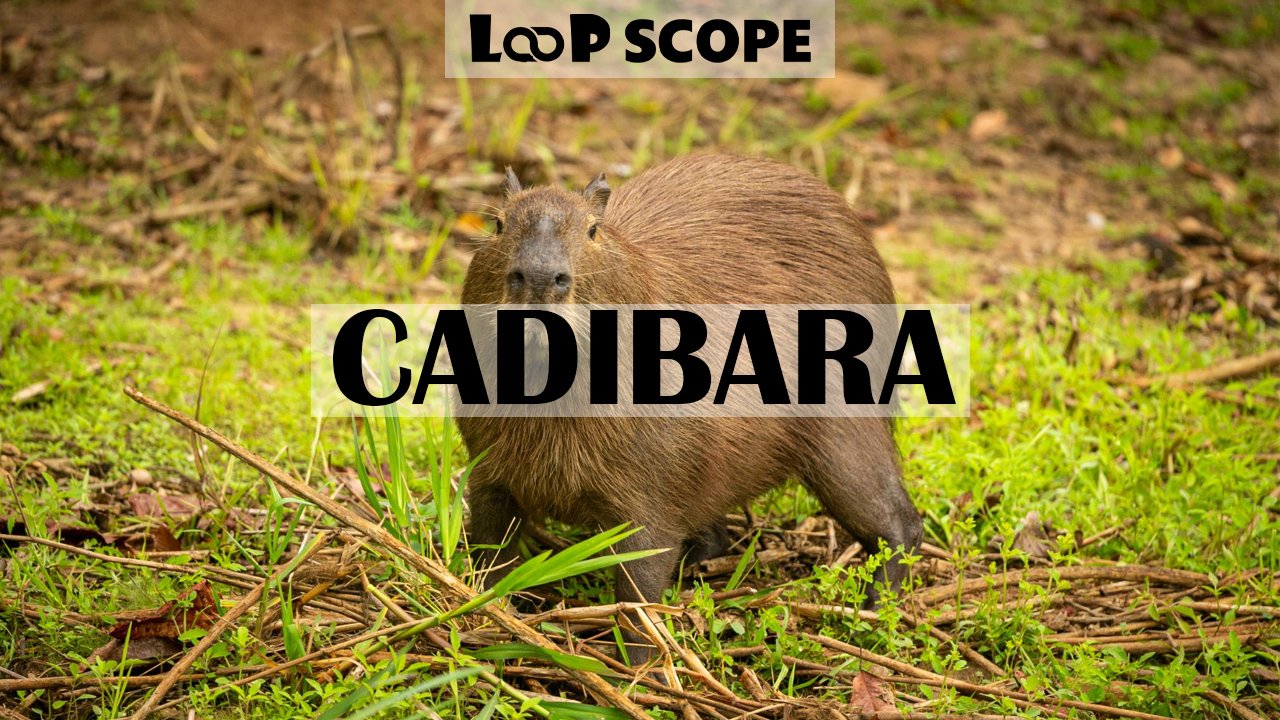
If you’ve scrolled through short-form videos or animal meme pages recently, there’s a decent chance you’ve seen the word “Cadibara” pop up in a caption, comment, or hashtag. It looks like a typo at first glance, but it shows up too often and too consistently to be a simple mistake. So what is Cadibara, exactly, and why do so many people use it instead of the correct spelling?
Cadibara is an informal, phonetic spelling of capybara, the large semiaquatic rodent native to South America. It isn’t a separate species, a scientific term, or an official name for anything. It’s a spelling variation that gained traction online, largely because it sounds soft, catchy, and easy to say. This article breaks down where the word likely came from, why it spread, and how it relates to the actual animal everyone is talking about.
The Simple Answer: Cadibara Means Capybara
The most direct way to answer this is that Cadibara refers to the capybara, the world’s largest living rodent. When someone types or says “Cadibara,” they almost always mean the animal itself, not something different from it.
Capybaras are native to South America, found in countries like Brazil, Venezuela, Colombia, and Argentina. They live near rivers, lakes, and marshes, and they’re known for their calm, almost unbothered temperament. That gentle personality is a big part of why the animal became an internet favorite in the first place, and it’s part of why a friendlier-sounding nickname like Cadibara caught on.
There is no evidence that Cadibara refers to a distinct breed, subspecies, or regional variant of the capybara. Every reliable description of the word treats it as an alternate spelling rather than a separate classification.
Where Did the Word Cadibara Come From?
This is where things get a little less precise, and it’s worth being honest about that instead of pretending there’s a single documented origin story.
Cadibara appears to have emerged the way a lot of internet slang does: through repeated misspellings, phonetic shortcuts, and casual typing that eventually became its own recognizable version of the original word. Capybara isn’t the easiest word to type quickly on a phone, and when people type fast or rely on memory rather than checking spelling, “cadibara” is a natural slip. The letters shift slightly, but the word still sounds close enough to the original that everyone understands what’s meant.
Once a few people used it in captions or comments, algorithms on social platforms tend to reinforce popular or repeated phrasing. If a spelling shows up often enough in a trending niche, especially one built around cute or wholesome animal content, it can spread quickly without any single “official” source creating it on purpose.
It’s also worth noting that alternate spellings of animal names are not unique to capybaras. Internet culture has a long pattern of turning animal names into softer, meme-friendly versions, especially when the animal itself has a strong visual identity or personality. Capybaras, with their laid-back expressions and tendency to appear in videos alongside other animals, were primed for this kind of nickname treatment.
So while there isn’t a documented “inventor” of the term Cadibara, the most reasonable explanation is that it developed organically through casual misspelling and repetition rather than being created deliberately by a brand, show, or specific creator.
Why Did Cadibara Become So Popular Online?
A few different factors likely combined to help this spelling spread.
The animal itself is highly shareable. Capybaras have a distinct look: large, low to the ground, with a blocky head and small ears. Their calm demeanor around other species, including dogs, birds, and even predators in some viral clips, makes them stand out in a feed full of more dramatic animal content.
The word is easy and pleasant to say. Cadibara has a softer rhythm than capybara when spoken aloud. Some people find it rolls off the tongue more naturally, which matters a lot in short-form video culture where captions are often read quickly or spoken in voiceovers.
Repetition builds familiarity. Once a spelling starts appearing in comment sections, captions, and community jokes, it becomes normalized. People often adopt the version they see most often rather than double-checking a dictionary, especially in casual social spaces where correctness isn’t the priority.
Capybaras symbolize calmness. A lot of the appeal around capybara content online ties into ideas of patience, low stress, and social ease. People have used the animal as a kind of mascot for relaxed vibes, and a friendlier nickname fits that tone better than a more clinical-sounding species name.
None of this means Cadibara is replacing capybara as the accepted spelling. It exists alongside it, mostly in informal, casual, or humorous contexts.
Is Cadibara the Correct Spelling?
No. Capybara is the correct and scientifically recognized spelling of the animal’s common name. Cadibara is not used in zoology, wildlife conservation literature, or formal writing. If you’re writing a school paper, a wildlife article, or anything intended to be taken as factual reference material, capybara is the spelling to use.
That said, correctness and popularity aren’t always the same thing online. Cadibara functions similarly to other internet-born spelling variants: understood by the audience it’s meant for, even if it wouldn’t pass a spell check or appear in an encyclopedia entry.
A Quick Look at the Capybara Itself
Since Cadibara and capybara refer to the same animal, it helps to understand the actual creature behind the trend.
Capybaras are the largest rodents in the world, often weighing between 77 and 146 pounds depending on age, sex, and region. They are semiaquatic, meaning they spend a significant amount of time in and around water. Their eyes, ears, and nostrils are positioned high on their heads, which lets them stay mostly submerged while still watching for predators.
They are highly social animals, typically living in groups that can range from a handful of individuals to larger herds near abundant water and food sources. This social structure is part of why they’re often seen interacting calmly with other species in viral videos. Capybaras aren’t naturally aggressive toward most animals they encounter, which makes them appear unusually tolerant compared to many other wild mammals.
Their diet mainly consists of grasses and aquatic plants, and like other rodents, their teeth grow continuously throughout their lives. In their native habitats, capybaras play a role in the broader ecosystem by grazing vegetation and serving as a prey source for predators like jaguars and caimans.
Understanding these basic facts about capybaras helps explain why the Cadibara nickname resonated with so many people. It’s not just a random misspelling attached to any animal. It’s tied to a creature with a genuinely distinct personality and appearance that made it stand out in a crowded online space.
How People Use the Word Cadibara Today
In practice, Cadibara shows up mostly in casual, social contexts rather than formal writing. A few common patterns include:
- Captions on short-form videos featuring capybaras
- Comment sections where users repeat the spelling as a kind of inside joke or shared reference
- Meme pages and fan accounts dedicated to capybara content
- Search queries from people who genuinely aren’t sure of the correct spelling and are looking for information about the animal
That last point matters for anyone trying to understand the word from a practical standpoint. Not everyone typing “Cadibara” into a search bar is in on an internet trend. Some are simply unsure how to spell capybara and are typing it the way it sounds to them. This mix of intentional slang use and genuine spelling uncertainty is part of why the term continues to circulate.
Cadibara Versus Capybara: What’s the Real Difference?
There isn’t a meaningful difference in meaning between the two. The difference is entirely about spelling and context.
Capybara is the standard, dictionary-recognized name for the animal. It’s what you’ll find in field guides, zoo placards, and scientific writing. Cadibara is an informal variant that developed through online use, and it carries a more playful or casual tone. Using one over the other doesn’t change what animal you’re referring to, but it can signal whether you’re writing formally or participating in the more relaxed, meme-driven side of internet language.
If accuracy matters, such as in academic work, journalism, or educational content, capybara is the appropriate choice. If you’re writing a caption, a comment, or casual social content and want to match the tone of a specific online community, Cadibara may fit naturally, as long as your audience already understands the reference.
Why This Kind of Word Trend Matters
Language shifts like this aren’t unique to capybaras, and they’re worth understanding beyond just this one example. Internet culture regularly produces alternate spellings, nicknames, and phonetic shortcuts for popular subjects, whether they’re animals, foods, or trending topics. These variants rarely replace the original term entirely. Instead, they tend to exist in parallel, used depending on the setting and audience.
Cadibara is a useful example of how this process works in real time. A slight misspelling, paired with a genuinely popular and photogenic animal, spread through repeated use until it became recognizable on its own. It didn’t need an official launch or a single creator behind it. It just needed enough people typing the same “mistake” in the same casual spaces.
Final Thoughts
Cadibara is best understood as an informal, internet-driven nickname for the capybara, not a separate word with its own distinct meaning. It likely emerged through casual misspelling that spread across social platforms, helped along by the capybara’s popularity as a calm, approachable, and highly shareable animal. While capybara remains the correct and widely accepted spelling for formal or factual use, Cadibara has carved out its own space in casual online conversation, memes, and captions.
If you came across the word and wondered whether it referred to something different from the animal you already knew, the answer is straightforward: it doesn’t. Cadibara and capybara are the same creature, just spelled differently depending on the context you find them in.
Frequently Asked Questions
What does Cadibara mean?
Cadibara is an informal, phonetic spelling of capybara, the large rodent native to South America. It refers to the same animal, not a different species.
Is Cadibara a real word?
It’s not a recognized dictionary or scientific term. It’s an internet-born spelling variant that developed through casual, repeated use rather than formal adoption.
Why do people spell it Cadibara instead of capybara?
Many people either misspell the word phonetically when typing quickly or intentionally use the softer-sounding version because it fits the casual tone of social media content.
Is Cadibara a type of capybara?
No. There is no scientific or biological distinction between Cadibara and capybara. They refer to the exact same animal.
Which spelling is correct, Cadibara or capybara?
Capybara is the correct and standard spelling used in scientific, educational, and formal contexts. Cadibara is an informal variant used mainly in casual online spaces.
Where do capybaras naturally live?
Capybaras are native to South America and are commonly found in countries like Brazil, Venezuela, Colombia, and Argentina, typically near rivers, lakes, and wetlands.
Why are capybaras so popular on social media?
Their calm temperament, social behavior around other species, and distinctive appearance make them highly shareable, which has helped both the animal and nicknames like Cadibara spread widely online.