 Caleb Whitaker
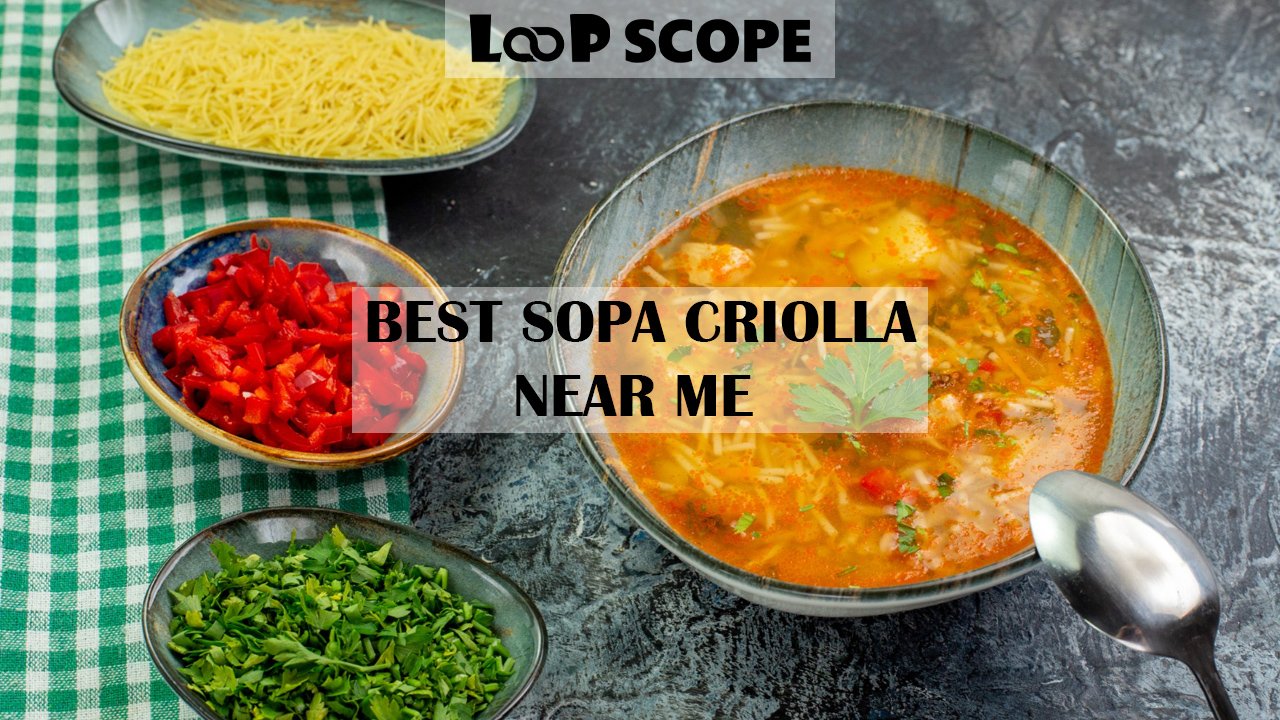
Sopa criolla is one of those dishes that shows up on a menu and immediately signals something warm and familiar is on its way. If you’ve typed “best sopa criolla near me” into a search bar, you’re probably not just looking for any bowl of soup. You’re looking for the real thing: a rich, milky broth, tender beef, angel hair pasta, and that unmistakable hint of hot dog and egg that makes this dish so distinctly Peruvian.
This guide walks through what sopa criolla actually is, why it has earned its reputation as pure Peruvian comfort food, and what separates a forgettable bowl from one worth returning for. Whether you’re new to Peruvian cuisine or you grew up eating this soup and want to know what to expect from a restaurant version, you’ll find practical, honest guidance here rather than a list of vague superlatives.
What Is Sopa Criolla?
Sopa criolla, sometimes called sopa a la criolla, is a traditional Peruvian noodle soup built on a beef broth base, thickened and enriched with evaporated milk. The name translates roughly to “creole soup,” a reference to Peru’s criollo culinary tradition, which blends Spanish, Indigenous, and African influences that developed along the coast, particularly around Lima.
At its core, the dish is simple: angel hair pasta cooked directly in a seasoned beef broth, combined with ground or shredded beef, sliced hot dog (a common and expected ingredient, not a shortcut), tomato, and a soft or poached egg either mixed in or served on top. The broth gets its characteristic color and mild sweetness from evaporated milk stirred in near the end of cooking, which also gives the soup a slightly creamy texture without making it heavy like a cream-based chowder.
Why Sopa Criolla Is Considered Peruvian Comfort Food
Comfort food tends to share a few traits across cultures: it’s warm, it’s familiar, and it reminds people of home. Sopa criolla checks all three boxes for many Peruvians, and it’s often the dish people reach for when they’re feeling under the weather or simply want something easy and satisfying.
Part of its comfort-food status comes from how commonly it’s made at home. Unlike more elaborate Peruvian dishes that require special ingredients or long preparation times, sopa criolla is typically a weeknight meal, something a parent or grandparent might make with whatever beef and pasta happen to be in the kitchen. That everyday, unpretentious quality is exactly what makes it so appealing when you’re searching for a restaurant version. A good sopa criolla doesn’t need to be fancy. It needs to taste like it was made with care.
What Goes Into a Traditional Bowl
Understanding the ingredients helps you judge whether a restaurant is serving an authentic version or cutting corners.
The Broth Base
The broth starts with beef, often a cut with some bone or connective tissue, simmered until it releases flavor into the water. Onion, garlic, and sometimes a small amount of tomato paste or fresh tomato build out the aromatic base. Toward the end of cooking, evaporated milk is stirred in, which is what gives sopa criolla its pale, slightly creamy appearance and sets it apart from a clear consommé.
Common Ingredients and Add-ins
Beyond the broth, a traditional bowl includes angel hair pasta (fideos cabello de ángel), cooked directly in the broth so it absorbs flavor rather than being boiled separately. Ground beef or shredded beef adds substance, and sliced hot dog, specifically the type common in Peru, is a standard addition rather than an unusual one. Most versions include a raw or lightly poached egg stirred into the hot broth just before serving, which cooks gently in the residual heat. A final touch of chopped cilantro or parsley, along with a squeeze of lime on the side, brightens the dish.
How Sopa Criolla Differs from Other Peruvian Soups
Peru has an extensive soup tradition, and it’s easy to confuse sopa criolla with other well-known dishes if you’re not familiar with the cuisine.
Caldo de gallina, for example, is a clear hen broth soup built around a whole piece of chicken, potatoes, and noodles, without the milk-enriched broth that defines sopa criolla. Aguadito, another popular option, is a thicker, cilantro-forward rice soup usually made with chicken or seafood, closer in texture to a risotto than a noodle soup. Chupe de camarones, a shrimp chowder, shares the milk-based broth concept with sopa criolla but is built around shellfish and a different set of vegetables.
Knowing these distinctions matters when you’re evaluating a restaurant. A menu that lists sopa criolla should serve something recognizably different from caldo de gallina. If the two dishes taste nearly identical, that’s often a sign the kitchen isn’t preparing each one according to its traditional recipe.
How to Find the Best Sopa Criolla Near You
Searching for “best sopa criolla near me” usually returns a mix of Peruvian restaurants, general Latin American spots, and the occasional fusion menu. Narrowing that list down takes a bit more than picking the highest star rating.
What to Look for on the Menu
A restaurant that takes sopa criolla seriously usually has a broader Peruvian menu around it, things like lomo saltado, ají de gallina, or causa. This matters because sopa criolla is a home-style dish, and restaurants that specialize in it tend to be run by people cooking food they know well, not adapting a single trendy item to a generic menu. If sopa criolla appears as the only Peruvian item on an otherwise unrelated menu, it’s worth a bit more scrutiny before ordering.
Signs of an Authentic, Well-Made Bowl
When the soup arrives, a few details tell you a lot. The broth should have a pale, slightly opaque color from the evaporated milk, not a thin, watery consistency or an overly thick, starchy one. The pasta should be tender but not mushy, which means it was added to the broth at the right time rather than sitting and overcooking. The beef should be tender enough to shred or bite through easily, a sign the broth simmered long enough to break down the meat properly. And the egg, if included, should be gently cooked rather than rubbery, which happens when it’s added too early or the broth is boiling too hard.
Questions to Ask Before You Order
If you’re unfamiliar with a restaurant, it’s reasonable to ask a server a few direct questions: whether the soup is made fresh to order or prepared in a large batch and reheated, whether the egg is included by default or optional, and whether they can adjust the spice level if the broth includes ají amarillo or another chili. Staff at restaurants that genuinely specialize in Peruvian food are usually happy to answer these questions, since it signals a customer who knows and appreciates the dish.
Sopa Criolla at Home vs. Ordering Out
There’s a reasonable case for making sopa criolla at home, since the ingredients are accessible and the technique isn’t complicated. A home version also lets you control the salt level and the richness of the broth, which some restaurant versions push too far in either direction.
That said, ordering out has real advantages, particularly if you don’t have access to a well-stocked Latin American grocery store for the right cut of beef or the specific style of hot dog used in Peru. A restaurant that’s dialed in the recipe over years of repetition often achieves a depth of broth flavor that’s hard to replicate in a single home-cooked batch, simply because commercial kitchens can simmer larger quantities of bones and beef for longer stretches. If you’re new to the dish, ordering it at a restaurant first gives you a reference point before attempting it yourself.
Pairing Sopa Criolla with Other Peruvian Dishes
Sopa criolla is filling enough to serve as a full meal on its own, but it’s common to see it offered as a starter or a lighter option alongside heartier entrees like lomo saltado or arroz con pollo. If you’re eating at a Peruvian restaurant and want a fuller sense of the cuisine, ordering sopa criolla alongside a small plate like papa a la huancaína, a potato dish in a spicy cheese sauce, gives you a good contrast between a warm, milky soup and a cold, tangy appetizer.
For drinks, chicha morada, a sweet purple corn beverage, pairs well without competing with the soup’s flavor. It’s non-alcoholic and commonly available at Peruvian restaurants, making it an easy pairing recommendation regardless of the time of day.
What Many Guides Overlook
Most articles about finding good Peruvian food focus heavily on flashy dishes like ceviche or lomo saltado, leaving soups like sopa criolla as an afterthought. That’s worth correcting, because a few practical points tend to get skipped.
First, sopa criolla is often available at lunch specials (menú del día) even at restaurants where it’s not listed on the regular dinner menu, so it’s worth asking about lunch hours specifically if you don’t see it listed. Second, portion sizes vary significantly between restaurants; some serve it as a substantial main course, while others treat it as a smaller starter portion, so checking with staff about size before ordering can save you from under- or overestimating how much food you’re getting. Third, the dish is naturally adaptable for dietary needs in some cases: the hot dog and egg can typically be left out on request, and some kitchens can substitute a vegetable broth base, though this changes the dish enough that it’s no longer a traditional sopa criolla in the strictest sense.
Finally, price expectations matter. Because this is a home-style dish rather than a premium item like ceviche made with fresh seafood, sopa criolla is usually one of the more affordable options on a Peruvian menu. If you see it priced unusually high relative to other soups or starters, that’s worth noting, though it doesn’t necessarily reflect quality on its own.
Conclusion
Sopa criolla earns its place as Peruvian comfort food through simplicity done well: a beef broth enriched with milk, angel hair pasta, tender beef, hot dog, and a soft egg, brought together into something that feels like a home-cooked meal even when you’re eating out. Finding the best version near you comes down to a few reliable signals, a restaurant with a genuine Peruvian menu around it, a broth with the right color and texture, and staff who can speak knowledgeably about how the dish is prepared. With those details in mind, you’re in a much better position to separate an authentic, satisfying bowl from a version that’s cutting corners.
FAQs
What does sopa criolla taste like?
Sopa criolla has a mild, slightly sweet, and savory flavor from the beef broth and evaporated milk, with a light tomato undertone. It’s comforting rather than spicy, though some versions include a touch of ají amarillo for gentle heat.
Is sopa criolla the same as chicken noodle soup?
No. While both are noodle-based comfort soups, sopa criolla uses a beef and milk-enriched broth, ground or shredded beef, hot dog, and often an egg, giving it a richer and more distinct flavor than a typical chicken noodle soup.
Does sopa criolla always include hot dog?
Traditionally, yes. Sliced hot dog is a standard ingredient in Peruvian sopa criolla, not an optional add-in, though some restaurants will omit it on request.
Can sopa criolla be made without egg?
Yes, most kitchens can leave out the egg if asked, though the egg is a traditional element that many diners consider essential to the dish’s texture and flavor.
What’s the best time of day to order sopa criolla?
Many Peruvian restaurants offer sopa criolla as part of a lunch special (menú del día), even if it’s not on the standard dinner menu, so lunch is often the most reliable time to find it.
Is sopa criolla spicy?
Generally, no. It’s a mild soup by default, though some versions include a small amount of ají amarillo paste, which can be adjusted or left out depending on the kitchen.
What should I look for to know a restaurant makes good sopa criolla?
Look for a broader Peruvian menu around the dish, a broth with a pale, creamy color rather than watery or overly thick, tender pasta and beef, and staff who can clearly explain how the soup is prepared.