 Caleb Whitaker
If you have come across the term “Formula 43 Sports” and are not quite sure what it refers to, you are not alone. It is not a name that ties back to one single, widely documented league, sanctioning body, or event with an official rulebook and history the way “Formula 1” or “Formula E” does. That does not make the phrase meaningless, though. It is often used loosely to describe competition built around the “formula” concept, a structured, numbered tier of racing or sport where strict technical rules level the playing field between competitors.
This guide walks through what that “formula” concept actually means, how numbered tiers like this typically work in motorsport and other competitive fields, and what a beginner should look for when trying to figure out exactly what a specific “Formula” branded event or series involves. If your goal is to understand the term, follow a specific event, or just sound informed the next time it comes up, this should get you there.
What Does “Formula” Mean in a Sports Context?
In motorsport, “formula” refers to a set of technical regulations that every competitor’s vehicle or team must follow. The word comes from the idea of a literal formula, a fixed set of rules governing engine size, weight, chassis design, and other specifications, so that competition comes down to skill and strategy rather than one team simply outspending the rest on engineering.
This is why you see series named Formula 1, Formula 2, Formula 3, Formula 4, and Formula E. Each number or letter typically signals where that series sits in a development pathway, usually from entry level (higher numbers, like Formula 4) up through the most advanced and fastest tier (Formula 1). Formula E is a bit different since the “E” stands for electric, marking it as a category defined by powertrain type rather than a rung on the traditional ladder.
Numbered or lettered “formula” series exist at regional, national, and international levels. Many countries run their own Formula 4 championship, for example, each governed by local rules but built on a shared technical framework. This regional variation is part of why searching for a specific numbered “formula” event can turn up different results depending on where in the world you are looking.
Why a Name Like “Formula 43 Sports” Can Be Confusing
Unlike the major, globally recognized tiers (F1 through F4, plus Formula E), a name combining a number like “43” with “Sports” does not match a series that has broad, independently verifiable coverage. A few realistic explanations are worth considering if you run into this term:
It could be a smaller, regional, or newly formed competition. Motorsport and other formula-style competitions launch regularly at the club, regional, or amateur level, and many of these do not get wide media coverage outside their local area. If that is the case here, the most reliable source of accurate information is the organizer’s own website or social channels rather than general search results.
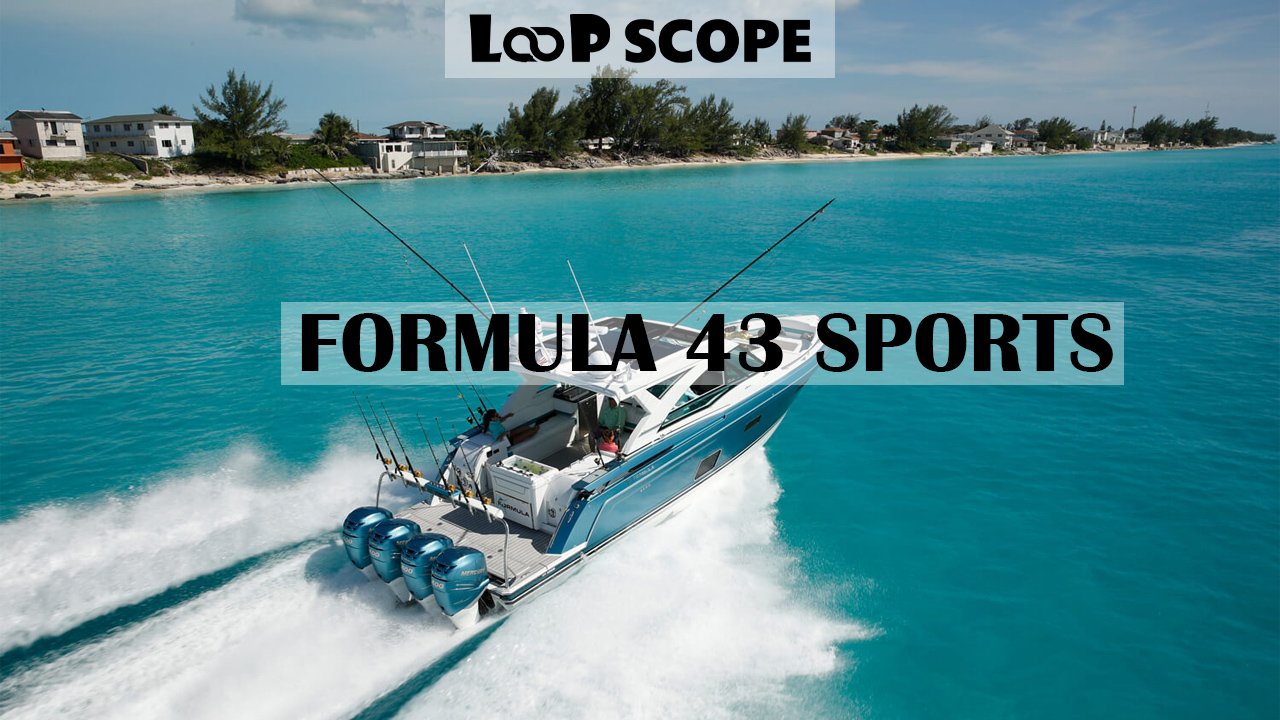
It could reference a product, model, or brand name rather than a competition. Names built around “Formula” plus a number sometimes belong to boats, equipment, games, or branded products rather than an organized sport. If you saw the term attached to a product listing, that is worth checking directly.
It could be a term used informally within a specific community. Fan communities and niche hobbyist groups sometimes create their own naming conventions for events, leagues, or challenges that never get formalized into something searchable at scale.
If you know the specific context where you encountered this term (a flyer, a website, a conversation, a video), tracing it back to that original source is usually the fastest way to get an accurate answer, more reliable than general search.
How Numbered Formula Series Typically Work
Since the “formula” naming pattern is the most concrete, verifiable piece here, it is worth understanding how it usually functions, since this is likely the framework behind whatever specific event or series you are trying to identify.
Technical Regulations Come First
Every car, kart, or vehicle in a formula series has to meet a defined spec: engine output, minimum weight, allowed materials, aerodynamic limits, and safety equipment. Teams cannot simply build a faster car by spending more money on a bigger engine. The rules exist specifically to keep the field competitive and to push the emphasis toward driver skill, team strategy, and precision engineering within tight boundaries.
Tiers Exist for a Reason
Lower-numbered or entry-level formula tiers (commonly labeled with higher numbers like 4) are usually built for less experienced drivers, often teenagers or young adults just starting their competitive career. As drivers move up through Formula 3, Formula 2, and eventually toward Formula 1, the cars get faster, the technical demands increase, and the competition becomes more selective.
Points, Rounds, and Championships
Most formula series run across a season made up of multiple rounds or races, usually at different tracks. Drivers earn points based on finishing position, and those points accumulate into a season-long championship standings. A single race win rarely determines a title; consistency across the season usually matters more.
Teams and Sponsorship
Formula series generally involve teams that provide the car, engineering support, and pit crew, while drivers are signed or contracted to compete for that team. Sponsorship plays a significant role in funding both teams and individual drivers, particularly at the lower tiers where budgets are tighter and drivers often need outside financial backing to compete at all.
What Beginners Should Actually Look For
If you are trying to become a fan of a specific “Formula” branded competition, whether it turns out to be the one referenced here or a different one entirely, a few practical steps will get you oriented quickly.
Find the official source. Look for an official website, governing body, or verified social media account tied to the specific series or event name. This is the most reliable way to confirm whether something is an active competition, a defunct one, or not a formal competition at all.
Check who sanctions it. Established formula racing series are usually overseen by a recognized motorsport authority, such as a national automobile federation or an international governing body. If no sanctioning organization is listed anywhere, treat claims about the series with some caution until you can verify them.
Look at the calendar. A real, active competitive series will typically publish a season schedule with specific dates, venues, and results. The absence of any findable schedule or past results is often a sign that a name is either extremely new, extremely small, or not an organized competition at all.
Watch for regional naming differences. Because many formula series operate independently at a national level, the exact name, numbering, or branding can vary quite a bit from country to country even when the underlying format is similar.
Formula-Style Competition Beyond Motorsport
It is worth noting that “formula” style rules are not exclusive to car racing. Similar structured, rules-based competitive formats appear in other technical sports, including certain classes of powerboat racing, drone racing, and remote-controlled vehicle competitions, where a defined “formula” of specifications keeps entrants on comparable footing. If the term you encountered involves boats, drones, or another vehicle-based competition rather than cars, the same general logic applies: check for an official rulebook, a sanctioning body, and a published schedule before assuming it is an established, ongoing competition.
Practical Advice If You Are Trying to Follow a Specific Event
If you were pointed toward “Formula 43 Sports” through a specific website, advertisement, or social post, the most useful next step is going back to that original source and looking for a few key details: who organizes it, where and when it takes place, and whether there is any independent coverage or historical record beyond the organizer’s own promotional material. Legitimate competitive series, even small regional ones, will usually have some trace of this information, past results, a registration process, or contact details for a governing club or federation.
If none of that turns up, it is reasonable to treat the name as either very new, very niche, or possibly a product or brand name rather than an organized competitive sport. None of that means it is not worth your interest. Plenty of legitimate grassroots motorsport and competitive events start small and local before building a wider following.
Final Thoughts
“Formula” as a naming convention signals a competition built on strict technical rules meant to keep the field level, and numbered tiers like Formula 4 or Formula 3 typically represent steps on a development ladder that leads toward the top level of a given sport. A specific name like “Formula 43 Sports” does not currently correspond to a widely documented, independently verifiable series, which means the most reliable path forward is tracing the term back to wherever you first encountered it and confirming the details directly from that source. Understanding how formula-style competition works in general gives you a solid foundation for evaluating any specific event you come across, including this one.
Frequently Asked Questions
What does the “formula” in a sports name usually mean?
It refers to a fixed set of technical rules and specifications that every competitor must follow, designed to keep the competition focused on skill rather than unequal equipment or budgets.
Is Formula 43 Sports an official, recognized competition?
There is no widely documented, independently verifiable series by that exact name. It may be a regional, niche, or newly formed event, or it may refer to something other than an organized competition, such as a product name.
How can I verify if a specific formula series is legitimate?
Look for an official website, a recognized sanctioning body, a published race or event calendar, and any independent coverage or past results beyond the organizer’s own promotional content.
Do all formula racing series lead up to Formula 1?
Many numbered formula tiers, such as Formula 4, Formula 3, and Formula 2, are structured as a development pathway toward Formula 1, but not every formula-branded series is part of that specific ladder.
What is the difference between Formula 1 and Formula E?
Formula 1 uses traditional combustion-engine race cars at the top level of the numbered formula ladder, while Formula E is a series built specifically around electric powertrains, making it a separate category defined by technology rather than tier.
Can formula-style rules apply to sports other than car racing?
Yes. Similar rules-based, spec-controlled formats exist in other vehicle-based competitions, including certain powerboat and drone racing classes, where a defined set of specifications keeps competitors on comparable equipment.
What should I do if I can’t find reliable information about a specific formula-named event?
Trace the term back to where you first saw it, whether that’s a website, flyer, or social media post, and look directly at that source for organizer details, a schedule, and contact information before assuming it is an active, established competition.