 Natalie Sullivan
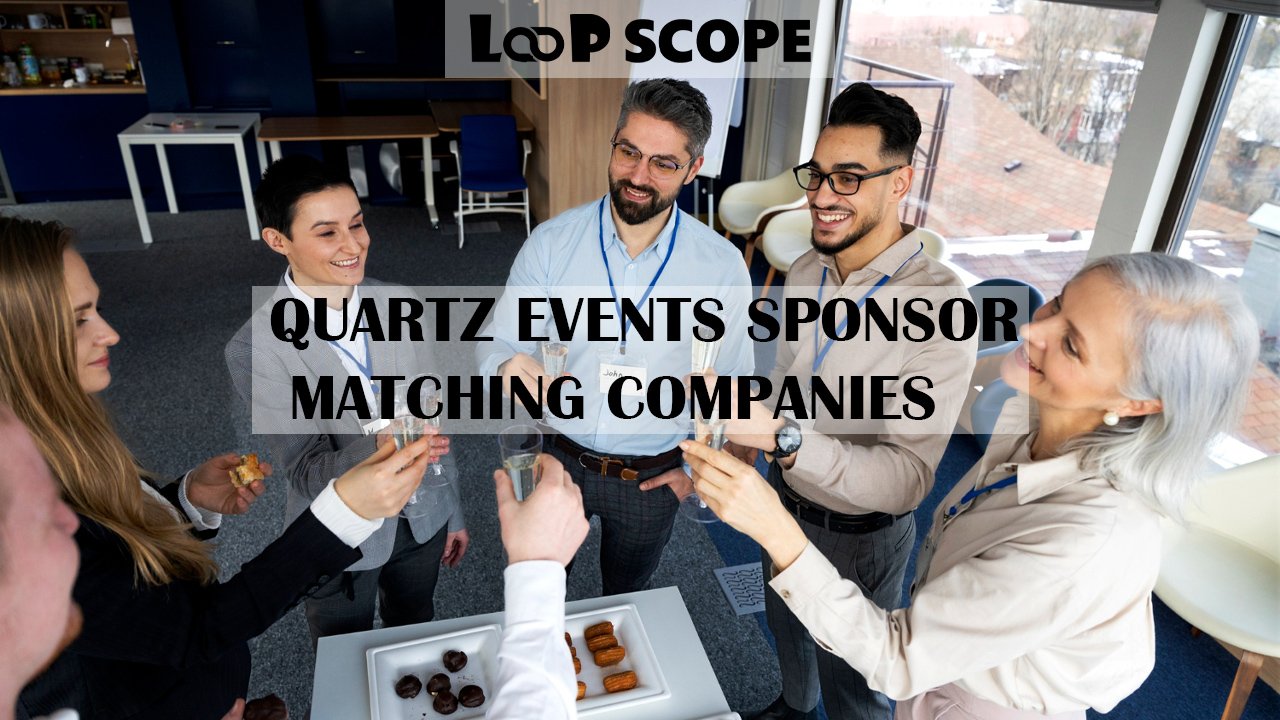
Finding the right sponsor for an event, or the right event for a sponsor, used to mean cold emails, spreadsheets, and a lot of guesswork. That is the gap that sponsor matching companies like Quartz Events aim to close. If you have come across the term and are not quite sure what it means or how it works, this article breaks it down in plain language.
By the end, you will understand what Quartz Events sponsor matching companies actually do, how the matching process typically works, who benefits from it, and what to look for if you are considering using one. This is written for event organizers, brand marketers, and sponsorship professionals who want a clear, honest answer rather than a sales pitch.
What Does “Sponsor Matching” Actually Mean?
Sponsor matching is the process of connecting event organizers who need funding or resources with brands and companies looking to sponsor relevant events. Instead of organizers manually researching potential sponsors one by one, or sponsors sifting through hundreds of event proposals, a matching service uses data, criteria, and sometimes software to pair the two sides based on shared goals.
A Quartz Events sponsor matching company, in this context, refers to a platform or service that positions itself as a connector in this space. These companies typically sit between event organizers and brands, offering tools or curated introductions so both sides spend less time searching and more time building partnerships that actually make sense.
The underlying idea is not new. Sponsorship brokers and agencies have existed for decades. What has changed is the move toward structured platforms that use profiles, filters, and sometimes algorithms to speed up a process that was once almost entirely relationship-based.
Why Sponsor Matching Exists as a Business Category
Event sponsorship has always been a bit inefficient. A mid-sized conference organizer might know that a certain software company would be a great fit as a sponsor, but getting in front of the right person at that company, at the right time, with the right pitch, is not simple. On the other side, a brand’s marketing team might have a sponsorship budget to spend but no easy way to find events that reach their specific audience.
This mismatch created room for a service layer. Sponsor matching companies exist to reduce the friction on both sides. For organizers, that means access to a pool of potential sponsors who have already expressed interest in certain event categories, industries, or audience types. For sponsors, it means a filtered list of events instead of an open-ended search.
How Quartz Events Sponsor Matching Companies Typically Work
While the specifics vary by provider, most sponsor matching services follow a similar general structure. It helps to walk through the typical stages, since this is usually the part readers are most curious about.
Step 1: Profile Creation
Event organizers usually start by creating a profile for their event. This includes details such as expected attendance, audience demographics, industry focus, past sponsors if any, location, and the type of sponsorship packages available. Sponsors, on the other hand, often create a profile describing their target audience, budget range, industries of interest, and marketing objectives.
Step 2: Matching Criteria
This is where the “matching” part comes in. The platform compares organizer profiles against sponsor profiles using a set of criteria such as audience overlap, geographic relevance, industry alignment, and budget compatibility. Some platforms rely on software-driven filtering, while others combine automated tools with a human team that reviews and curates matches manually.
Step 3: Introduction or Outreach
Once a potential match is identified, the platform facilitates an introduction. This might happen through a messaging system built into the platform, a direct email introduction, or a scheduled call. The goal at this stage is simply to get both parties talking, not to finalize a deal.
Step 4: Negotiation and Agreement
From there, the actual sponsorship terms, pricing, deliverables, and contract details are usually negotiated directly between the organizer and the sponsor. Most matching companies step back at this point, though some offer additional support such as contract templates or advisory services for an added fee.
Who Uses Sponsor Matching Services?
Event Organizers
Conference organizers, trade show producers, nonprofit event planners, and even smaller community event hosts use sponsor matching services to reduce the time spent hunting for sponsors. This is especially valuable for organizers who do not have a dedicated sponsorship sales team.
Brands and Marketing Teams
On the sponsor side, companies with marketing or brand partnership budgets use these platforms to identify events worth backing. Rather than relying only on their existing network, marketing teams can use a matching service to discover events in industries or regions they had not previously considered.
Agencies
Some sponsorship agencies also use matching platforms as a research tool, layering their own relationship-building and strategy work on top of the initial connections the platform surfaces.
Key Features to Expect from a Sponsor Matching Platform
Not every company in this space offers the exact same feature set, but there are common elements worth understanding before you evaluate one.
Searchable databases. Most platforms give users access to a database of events or sponsors that can be filtered by category, size, location, or industry.
Profile-based matching. As described above, profiles form the backbone of how matches are suggested or generated.
Communication tools. Built-in messaging or introduction systems help both sides start conversations without exchanging personal contact information right away.
Analytics or reporting. Some platforms offer basic reporting on sponsorship performance, audience reach, or engagement, which can help sponsors justify their spend internally.
Tiered access or pricing. Many sponsor matching companies operate on a subscription or commission model, with different levels of access depending on what the organizer or sponsor is willing to pay.
The Benefits of Using a Sponsor Matching Company
Time Savings
The most obvious benefit is time. Manually researching and reaching out to dozens of potential sponsors can take weeks. A matching platform can shorten that timeline considerably by surfacing relevant options up front.
Better Alignment
Because matches are based on shared criteria rather than cold outreach, the resulting partnerships tend to be a better fit from the start. A sponsor interested in reaching a tech audience is less likely to waste time on an event with no relevant attendees.
Access to a Wider Network
Smaller or newer event organizers often lack the industry connections that larger, established events already have. Sponsor matching platforms can help level that playing field by giving smaller organizers visibility they would not otherwise have.
Reduced Guesswork for Sponsors
Brands often struggle to know which events are worth sponsoring. A matching service that provides audience data and past performance information helps sponsors make more informed decisions instead of relying on assumptions.
Potential Limitations to Understand
It would not be a fair explanation without mentioning the trade-offs. Sponsor matching companies are useful, but they are not a guaranteed solution.
Match quality varies. The quality of a match depends heavily on how accurately profiles are filled out and how good the platform’s filtering logic actually is. A poorly maintained profile can lead to irrelevant suggestions.
Fees and commissions. Many platforms charge fees, either as a flat subscription, a per-match fee, or a commission on the final sponsorship deal. It is worth understanding the pricing model before committing.
No guarantee of a deal. Being matched does not mean a sponsorship will actually close. The negotiation stage still depends on both parties agreeing on terms, timing, and budget.
Not a replacement for relationships. Even the best matching platform works best as a starting point. Long-term sponsorship success still tends to rely on ongoing relationship management after the initial introduction.
What Makes a Sponsor Matching Company Trustworthy
If you are researching Quartz Events or any similar sponsor matching company, a few signals are worth checking before signing up.
Look for transparency around how matches are generated. A trustworthy platform should be able to explain, at least in general terms, how it connects organizers and sponsors, rather than presenting the process as a black box.
Check the pricing structure carefully. Understand whether you are paying a flat fee, a subscription, or a commission tied to a successful sponsorship deal, since this affects the platform’s incentives.
Look for evidence of real activity, such as case studies, testimonials, or a visible track record, rather than vague marketing language alone. Since specific performance claims can be difficult to verify independently, it is reasonable to ask the company directly for references or examples before committing budget or time.
Practical Tips for Getting the Most Out of Sponsor Matching
If you decide to use a service like this, a few practices tend to improve results.
Keep your profile detailed and current. Vague or outdated information leads to weaker matches, regardless of how good the platform’s technology is.
Be specific about what you are offering or looking for. Organizers should clearly outline sponsorship tiers and deliverables. Sponsors should be specific about audience type, budget range, and campaign goals.
Treat the first introduction as a starting point, not a finished deal. Plan for a normal negotiation process rather than expecting instant agreement.
Track your results over time. If you use a matching platform repeatedly, keeping notes on which types of matches actually led to successful sponsorships will help you refine your approach for future events.
Conclusion
Quartz Events sponsor matching companies, and services like them, exist to solve a practical problem: connecting event organizers with sponsors in a way that is faster and more targeted than traditional outreach. The process typically involves creating detailed profiles, using matching criteria to identify relevant connections, facilitating introductions, and then letting both sides negotiate the actual terms directly.
These platforms can save time, improve the relevance of sponsorship partnerships, and open doors that might otherwise stay closed, especially for smaller or newer event organizers. At the same time, they are not a guaranteed shortcut to a signed sponsorship deal. Understanding how the matching process works, what fees are involved, and how to present a strong profile will help you get more value out of any sponsor matching service you choose to use.
Frequently Asked Questions
What is a sponsor matching company?
A sponsor matching company connects event organizers with potential sponsors based on shared criteria like audience, industry, and budget, reducing the time both sides spend searching manually.
How does Quartz Events sponsor matching work?
It generally involves creating a profile, being matched against relevant organizers or sponsors, and receiving an introduction, after which both parties negotiate the sponsorship terms directly.
Is sponsor matching only for large events?
No. Sponsor matching services are often especially useful for smaller or newer events that lack an established network of sponsor contacts.
Do sponsor matching platforms guarantee a sponsorship deal?
No platform can guarantee a signed deal. Matching facilitates the introduction, but the final agreement still depends on negotiation between both parties.
How much do sponsor matching companies typically charge?
Pricing models vary and can include flat subscription fees, per-match charges, or commissions on completed sponsorship deals, so it is important to review the specific pricing structure.
Can brands use sponsor matching to find niche events?
Yes. One of the main advantages for brands is discovering relevant, sometimes niche, events they might not have found through their existing network.
What should I check before choosing a sponsor matching company?
Look at how transparent the platform is about its matching process, its pricing structure, and whether it can provide references or examples of past matches.